English
Español
Pусский
Français
Deutsch
简体中文
The Influenza AB Rapid Test kit is a rapid membrane-based, immune-chromatographic test for the qualitative detection of influenza virus type AB antigens in human throat samples and used as an aid in the diagnosis of influenza. Fast: results within 15 minutes Easy to use: 3 steps to finish the test Humanized: all necessary components provided Safety: swab with the protective jacket can avoid biohazard Quality control: ensure the result is reliable Clinical Sensitivity: 98.4%(Flu
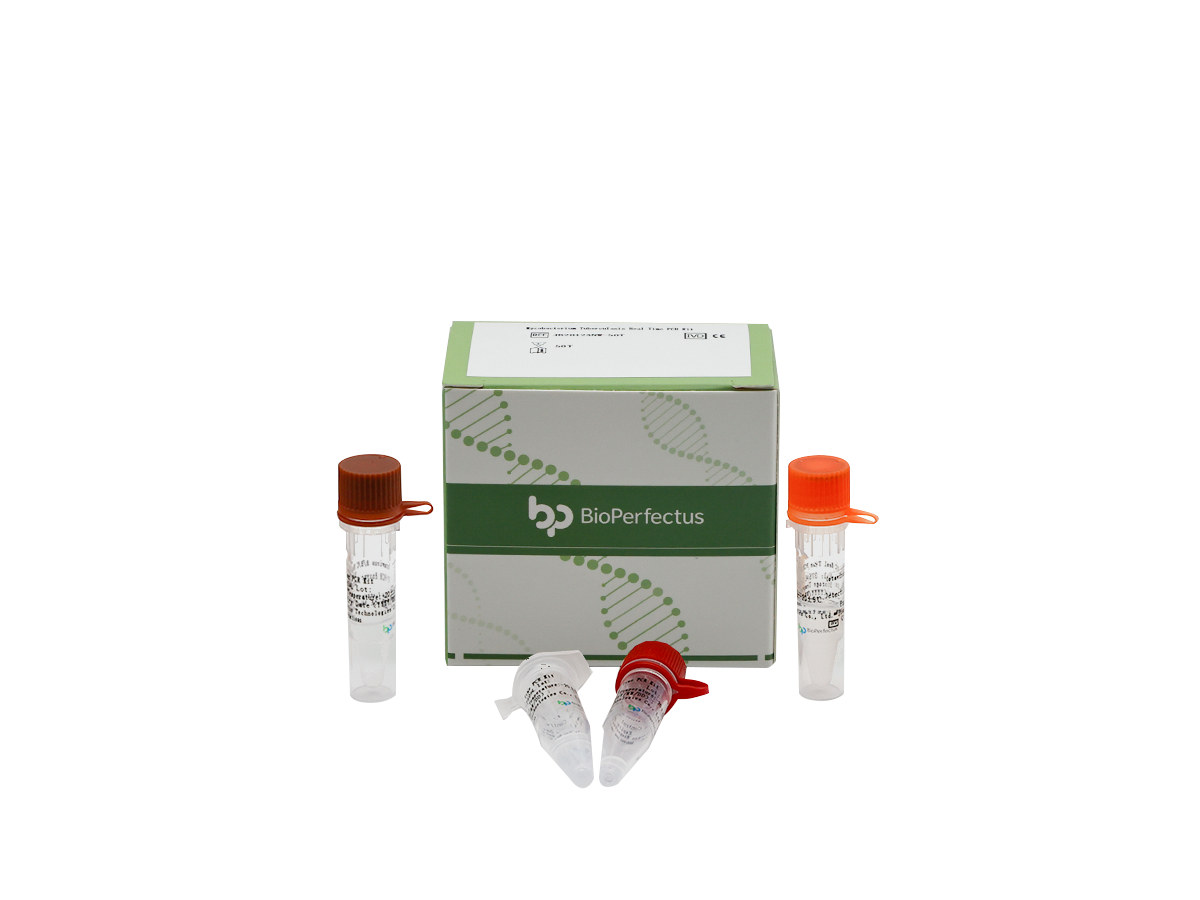
Mycobacterium tuberculosis is the pathogen that causes tuberculosis. Tuberculosis is an infectious disease that can affect all tissues and organs of the body, but lung infections are the most common. Mycobacterium tuberculosis is more common because there is no normal flora in the alveoli and Mycobacterium tuberculosis can be inhaled through droplet microdroplets or dust-containing bacteria. Tuberculosis is an infectious disease that is usually caused by inhalation of tuberculosis bacteria fro
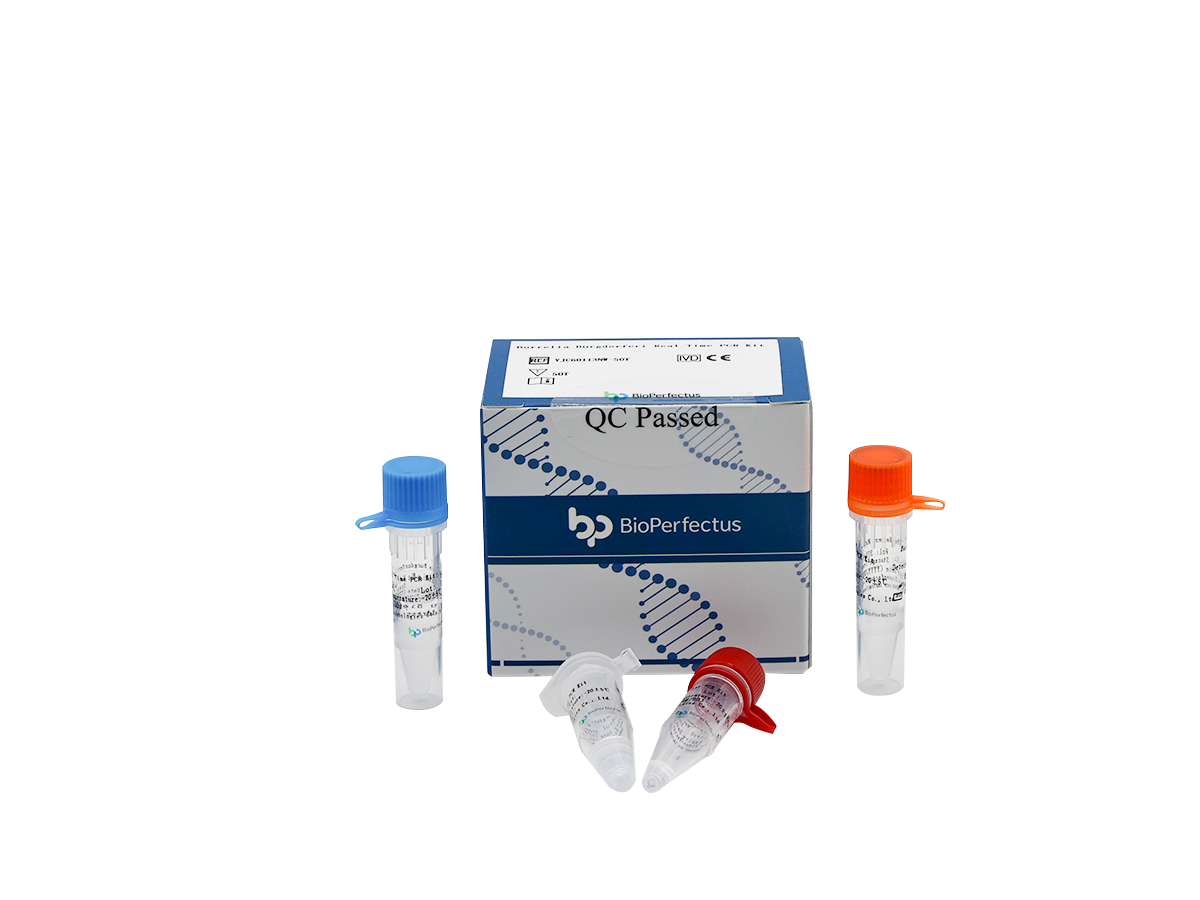
Borrelia burgdorferi sensu stricto is a bacterial species of the spirochete class in the genus Borrelia, and is one of the causative agents of Lyme disease in humans. Along with a few similar genospecies, some of which also cause Lyme disease, it makes up the species complex of Borrelia burgdorferi sensu lato. The complex currently comprises 20 accepted and 3 proposed genospecies. B. burgdorferi sensu stricto exists in North America and Eurasia and until 2016 was the only known cause of Lyme d
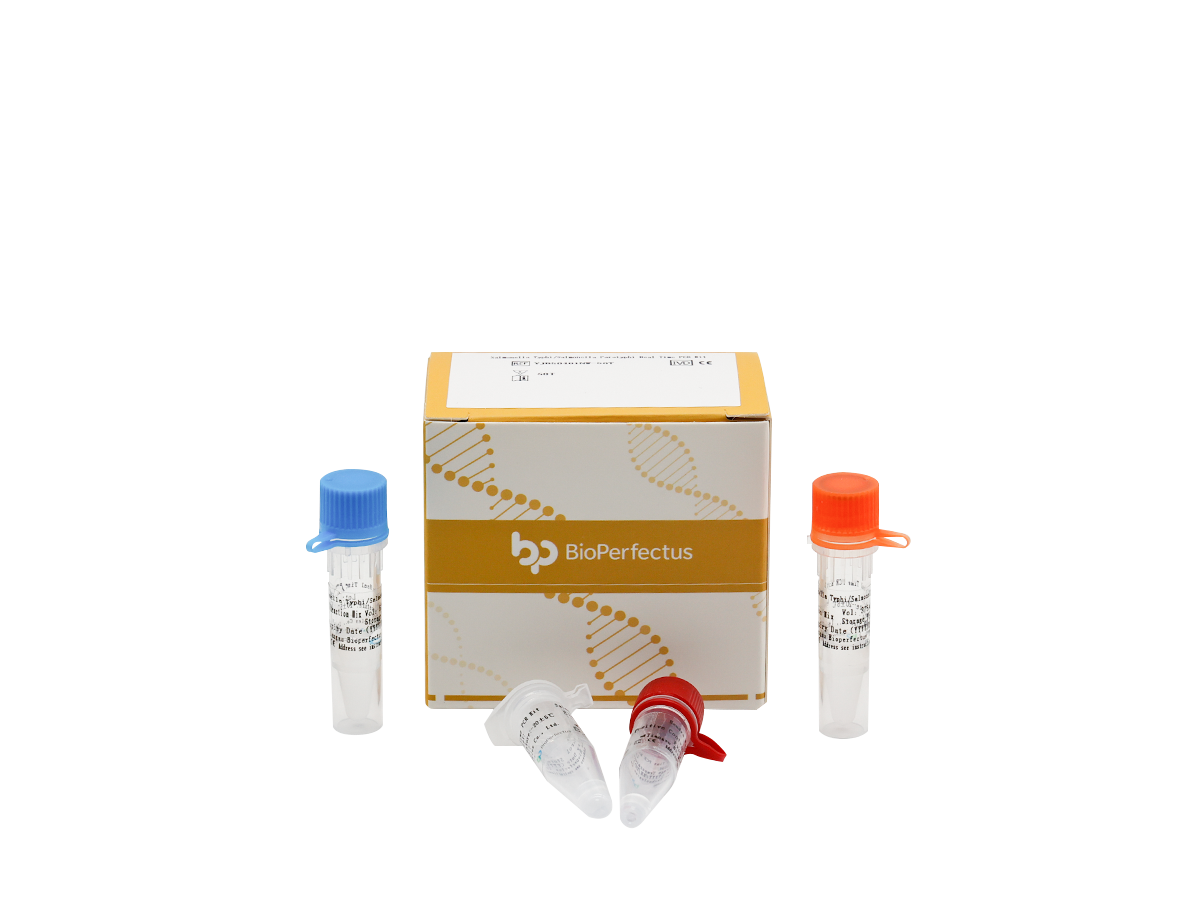
Typhoid fever and paratyphoid fever are bacterial infections caused by Salmonella Typhi, Salmonella Paratyphi A, B, and C, which are transmitted through the ingestion of tainted food and water. Worldwide an estimated 21 million cases and 222,000 associated deaths occur annually. The majority of infections are caused by Salmonella Typhi with infections by Salmonella Paratyphi A, B, and C being more rare. The BioPerfectus Salmonella Typhi/Paratyphi Real Time PCR Kit is a real-time PCR researc
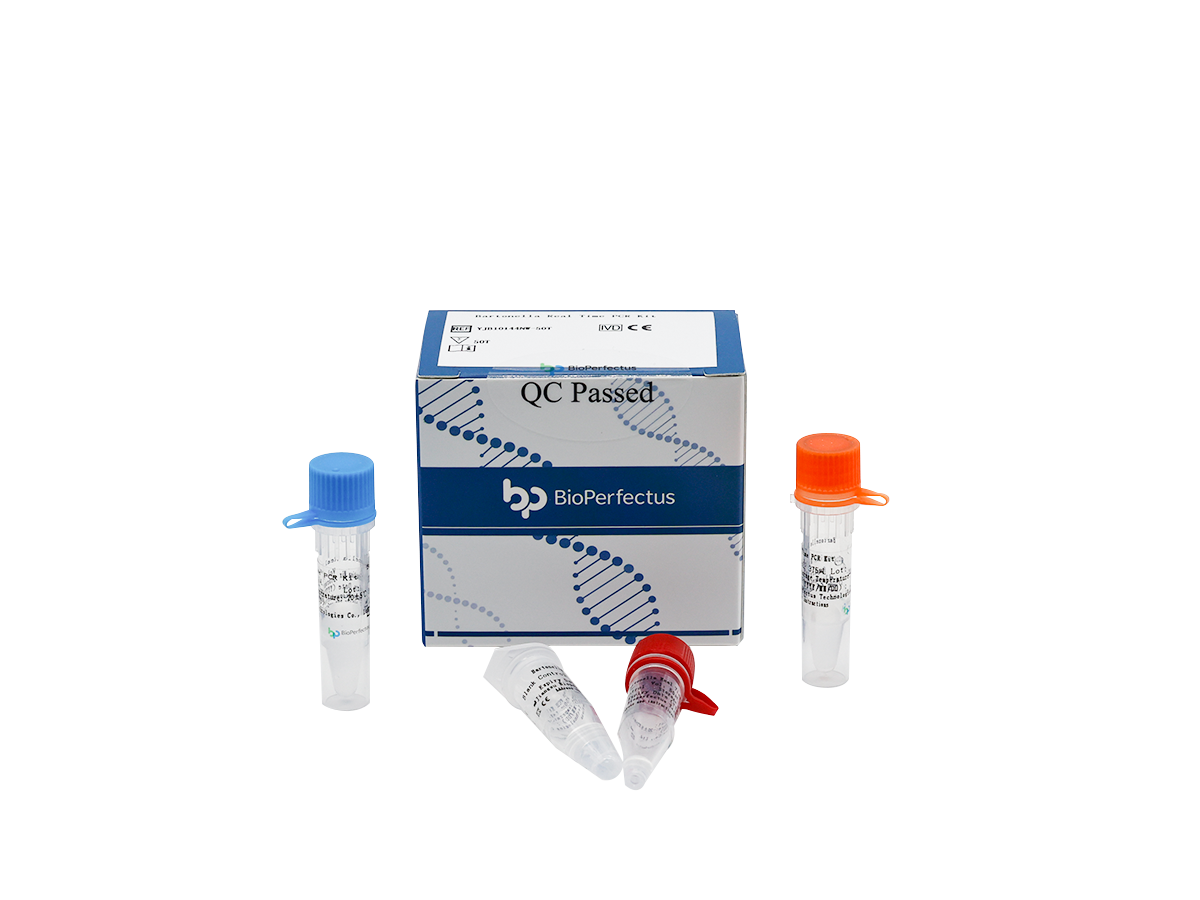
Bartonella is a genus of Gram-negative bacteria. It is the only genus in the family Bartonellaceae. Facultative intracellular parasites, Bartonella species can infect healthy people but are considered especially important as opportunistic pathogens. Bartonella species are transmitted by vectors such as ticks, fleas, sand flies, and mosquitoes. At least eight Bartonella species or subspecies are known to infect humans. The BioPerfectus Bartonella Real Time PCR Kit is a real-time PCR research
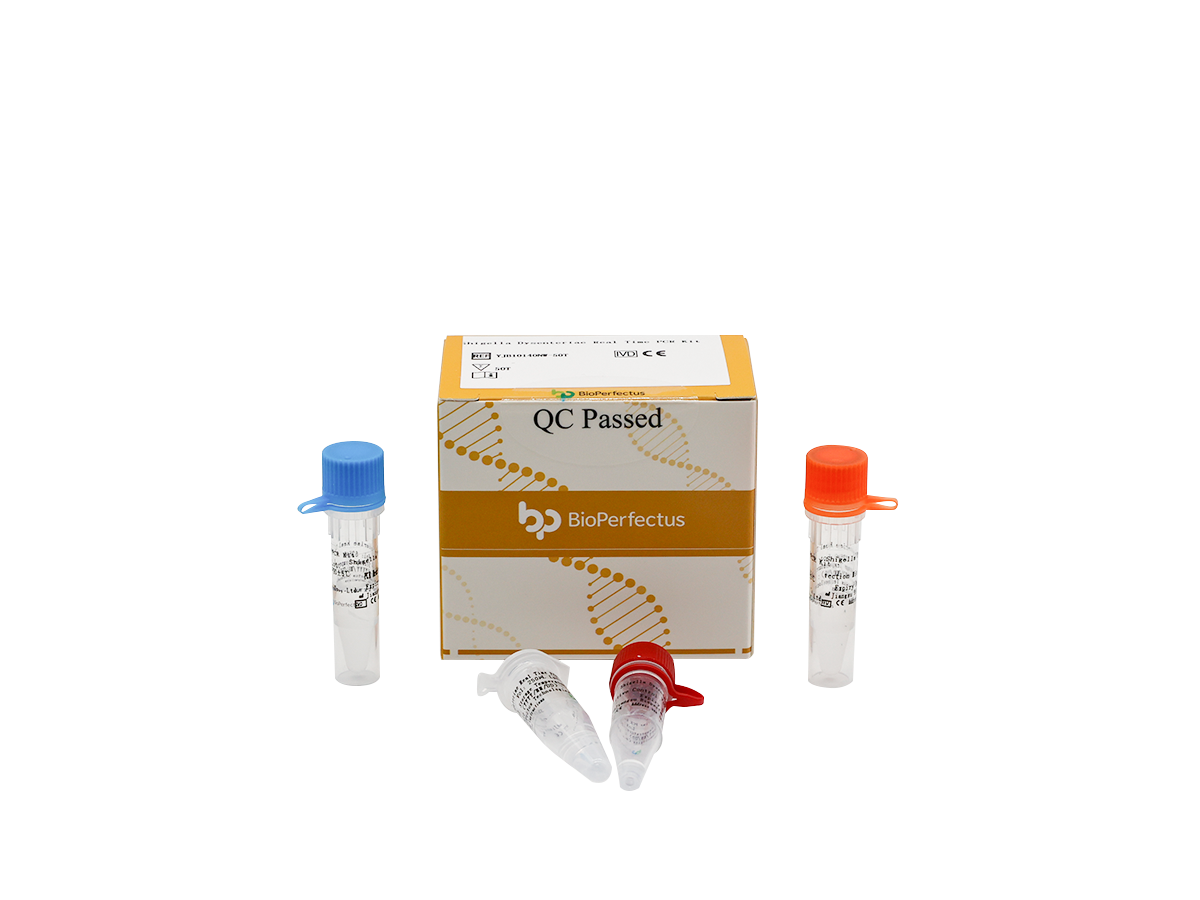
Shigella Dysenteriae bacteria cause an infection called shigellosis. Most people with Shigella Dysenteriae infection have diarrhea (sometimes bloody), fever, and stomach cramps. Symptoms usually begin 1-2 days after infection and last 7 days. The BioPerfectus Shigella Dysenteriae Real Time PCR Kit is a real-time PCR research assay for the qualitative analysis of S. dysenteriae DNA in research samples (stool). 96 tests in 62 minutes (on one instrument) Internal control ensures that t
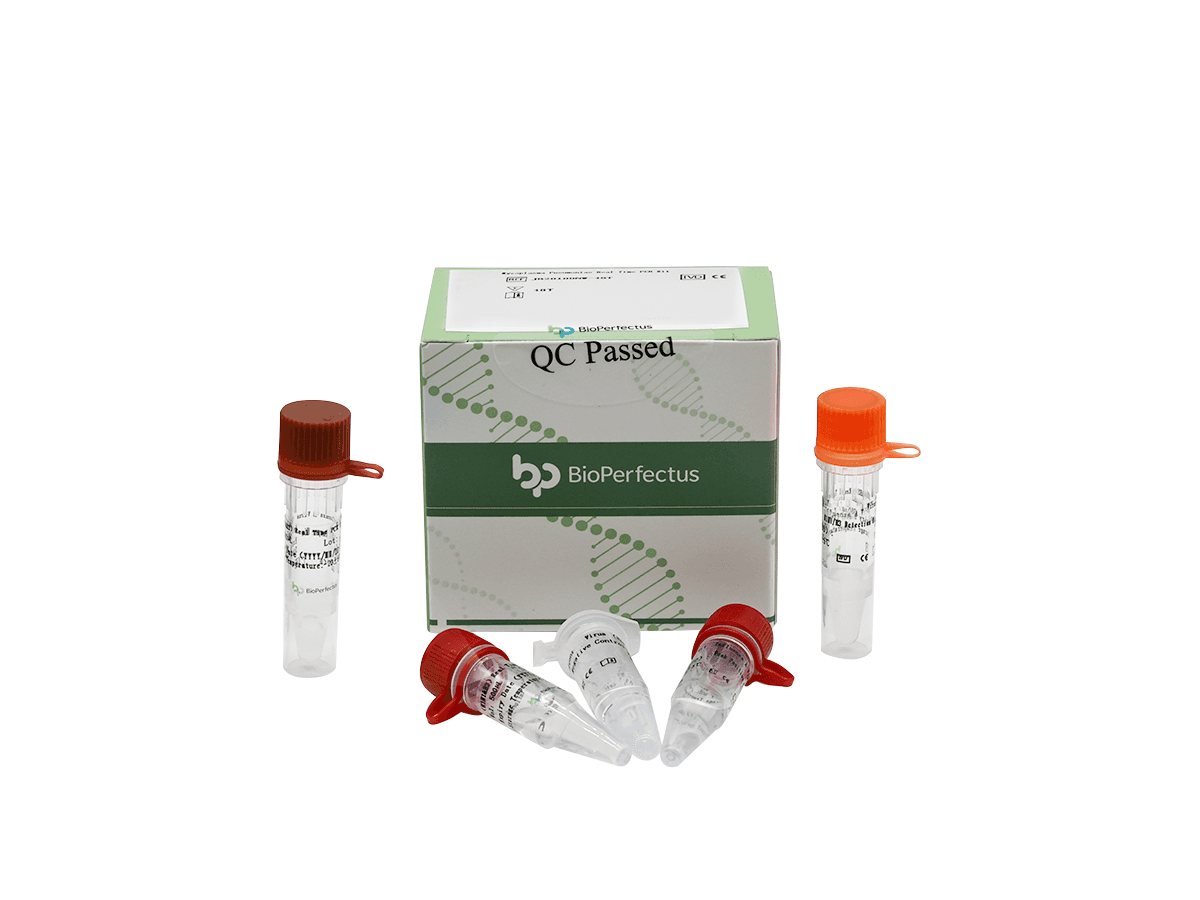
Mycoplasma Pneumoniae is the pathogen of Pneumonia. The onset of Mycoplasma pneumoniae pneumonia is slow, with the symptoms of anorexia, nausea, vomiting, sore throat, headache, fever, muscle soreness, etc. Mycoplasma Pneumoniae is mainly transmitted by droplets with an incubation period of 2-3 weeks. Adolescents are a high-risk population, and cases of infection occur throughout the year, but most of them occur in autumn and winter. At present, laboratory diagnostic methods mainly include iso
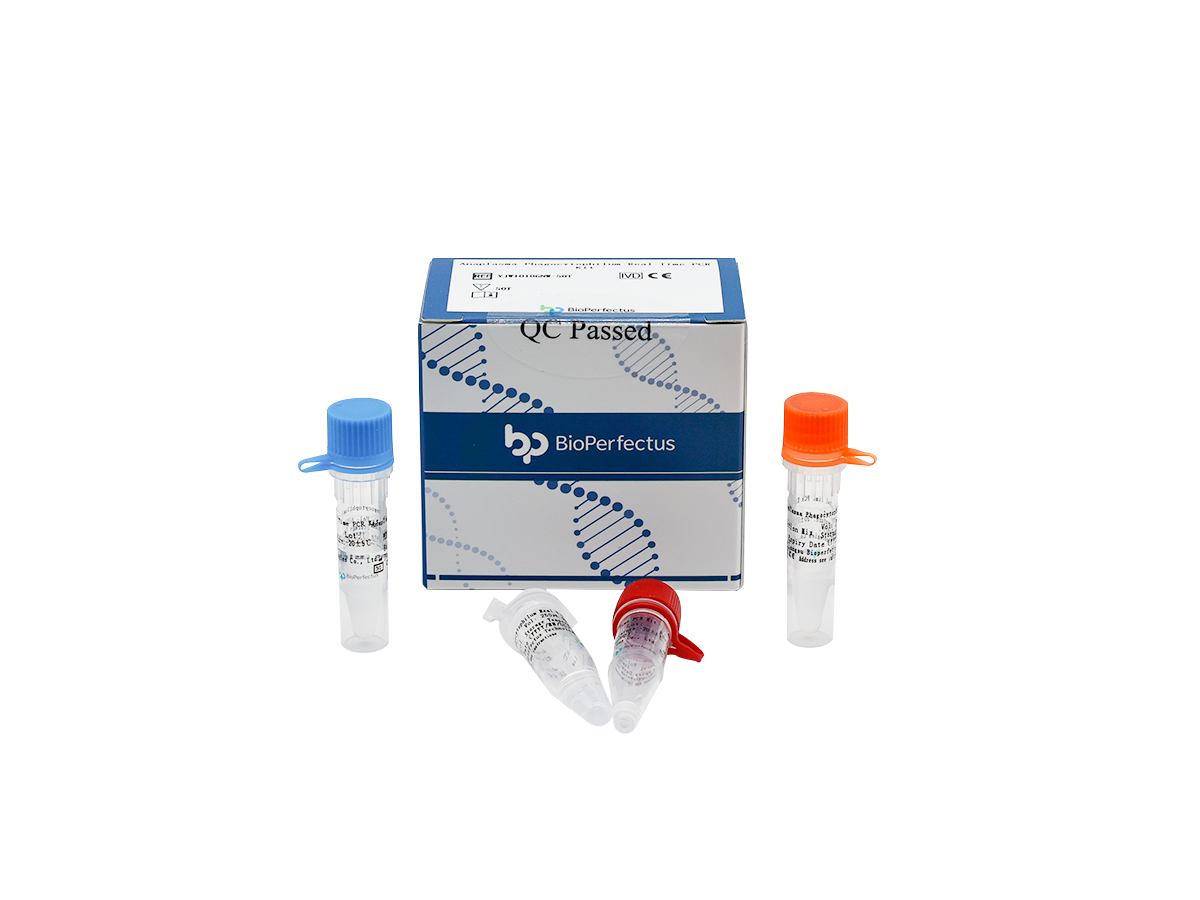
Anaplasma phagocytophilum is an obligate gram-negative, intracellular bacterium that causes an acute febrile illness known as anaplasmosis or human granulocytic anaplasmosis (HGA). The organism is genetically related to rickettsia and is transmitted by Ixodes scapularis in the northeast United States and by Ixodes pacificus in California. The vector also transmits other organisms responsible for diseases such as Lyme, babesiosis, ehrlichioses and Powassan encephalitis. Anaplasmosis was formerl
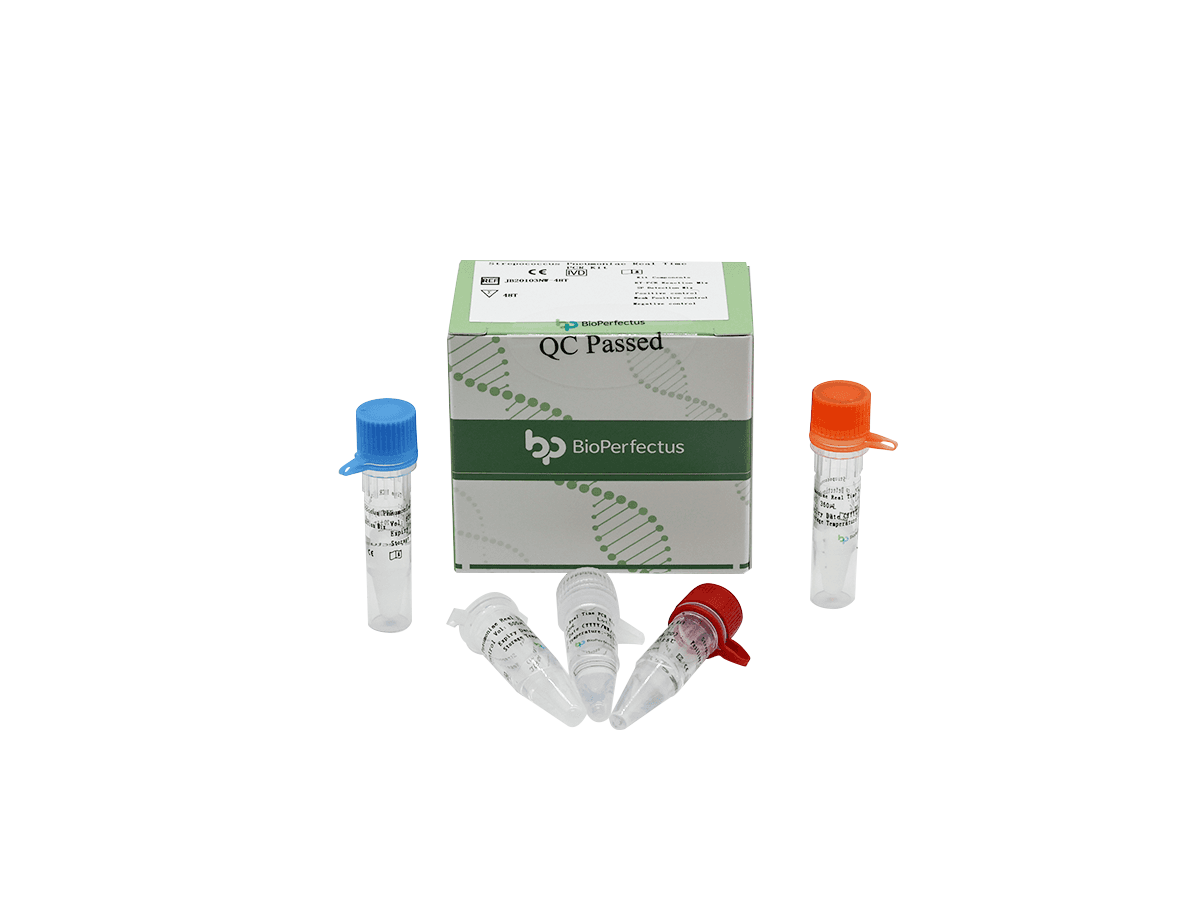
Streptococcus pneumoniae (SP) is a lancet-shaped, gram-positive bacterium that naturally colonizes the upper respiratory tract of humans. While it often exists asymptomatically, it acts as an opportunistic agent, primarily affecting vulnerable populations such as young children, the elderly, and immunocompromised individuals. Biologically, SP possesses nearly 100 distinct serotypes, with over 30 recognized as highly pathogenic. It remains a major global public health challenge, representing a
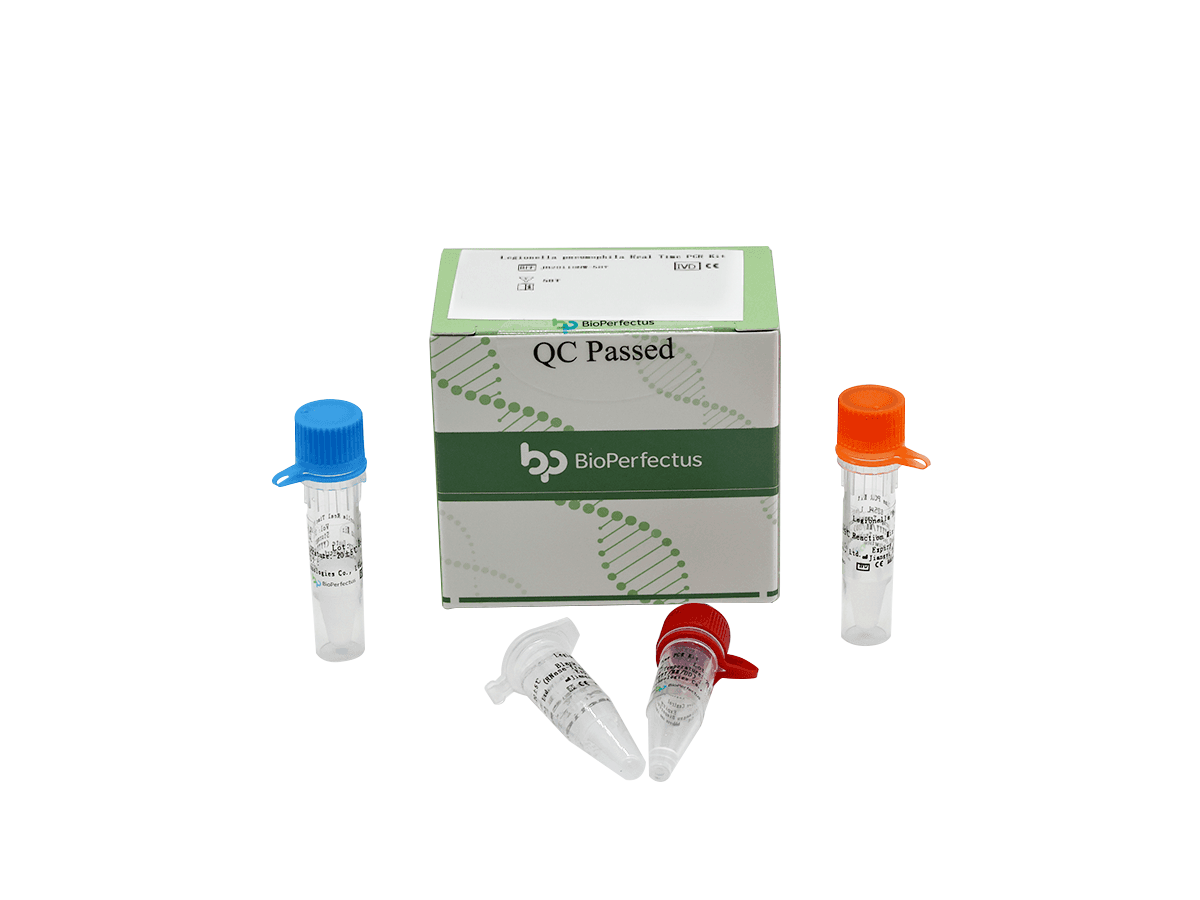
Legionella pneumophila is an important pathogen that causes Legionnaires' disease. Legionella was discovered after a pneumonia outbreak in 1976 among people who went to a Philadelphia veteran's convention. Existing studies showed that it has at least 50 species and 70 serogroups. About 90% of Legionnaires' disease is caused by Legionella pneumophila (LP) that has 15 serogroups. The serogroup 1 causes 84% of Legionnaires' disease worldwide. The disease is an acute bacterial infectious disease a
I am interested in learning more about the BioPerfectus product
Fieids marked with an asterisk(*) are required