English
Español
Pусский
Français
Deutsch
简体中文
Cervical cancer is a life-threating disease in the womens cervix, which is the fourth killer among cancers for females. The human papillomavirus (HPV) is a group of DNA virus that only infect with human mucosal cells or epithelial cells and can cause to cancer. There are more than 100 types of HPV. Each type has specific preferred infected area. These HPV can be classified into two groups according to the potential risks to develop cancer, high-risk HPV (16, 18, 31, 33, 35, 39, 45, 51, 52,
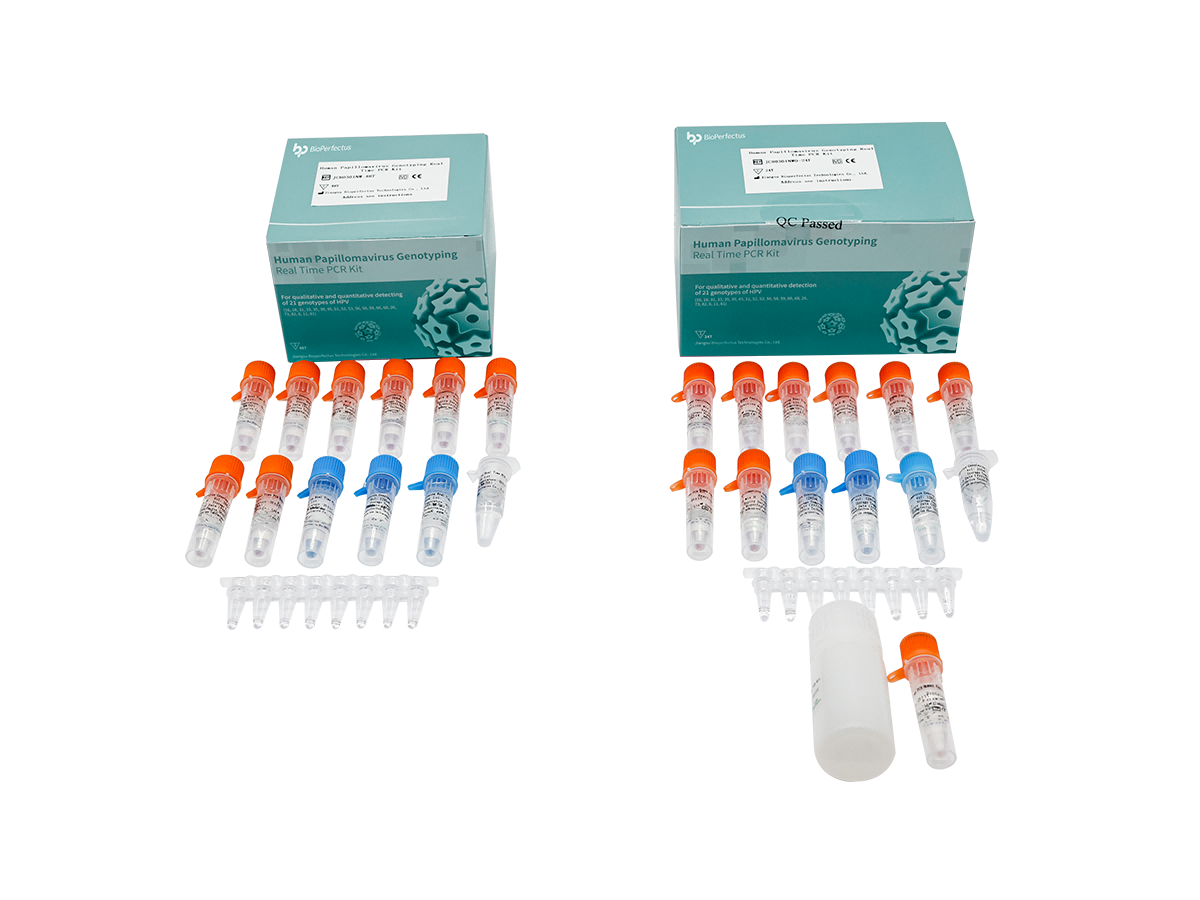
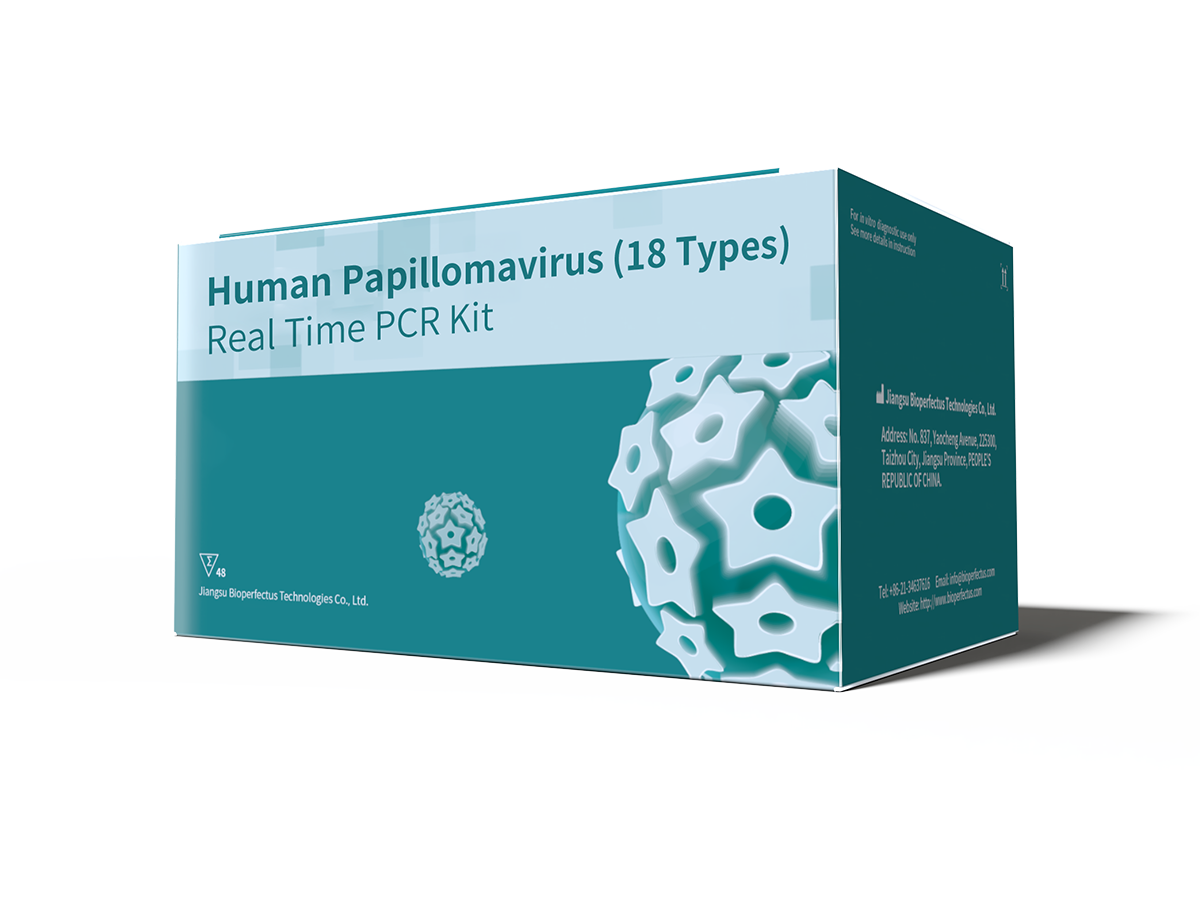
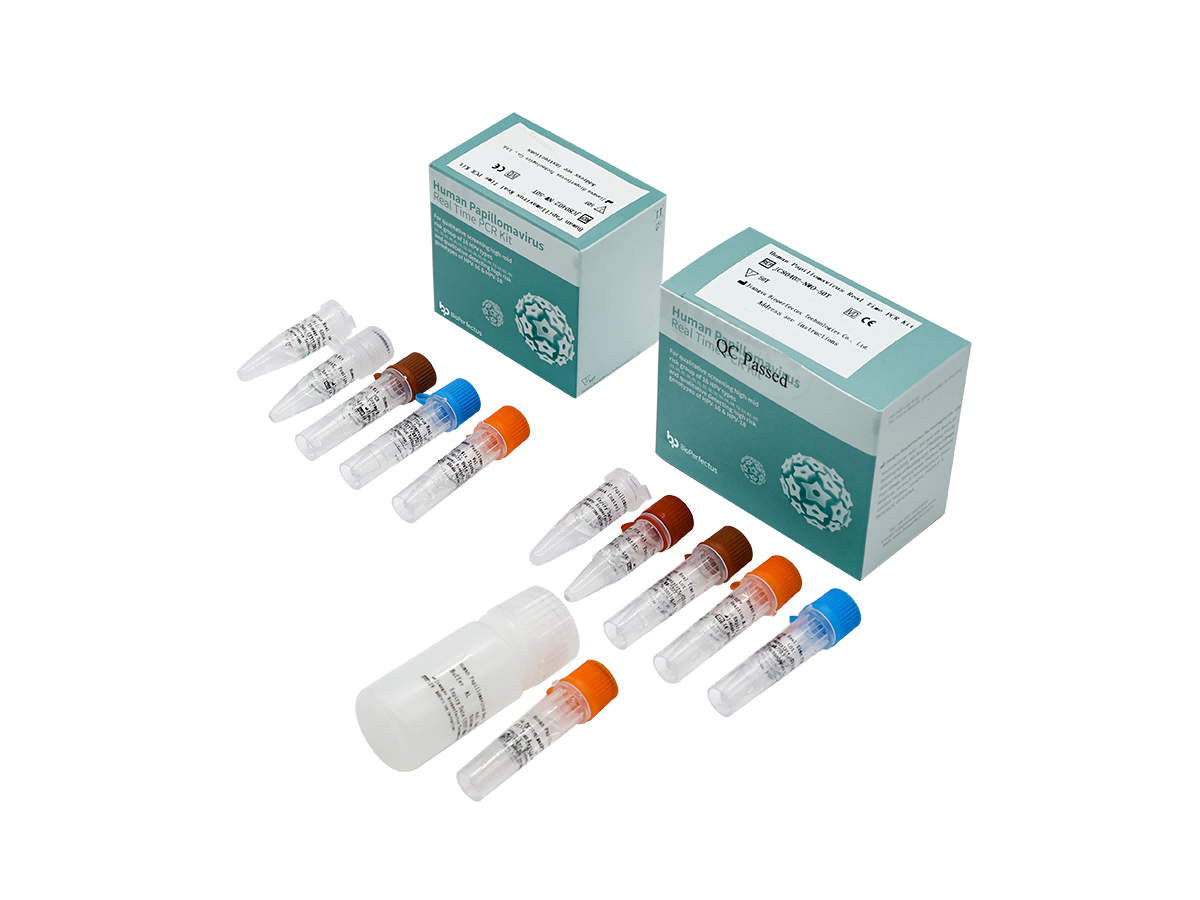
This kit is intended for in-vitro qualitative detection of nucleic acids of 18 human papillomavirus (HPV) types in exfoliated cervical cells. It allows for genotyping for HPV types 16, 18, 45, 31, 33/58, 52, and other 11 types. Detection Genotyping Comprehensive Detection: Identifies 18 HPV types including 16, 18, 26, 31, 33, 35, 39, 45, 51, 52, 53, 56, 58, 59, 66, 68, 73 and 82. Precise Genotyping: Allows specific genotyping for types 16, 18, 31, 33/58, 45, and 52. Sensitivity
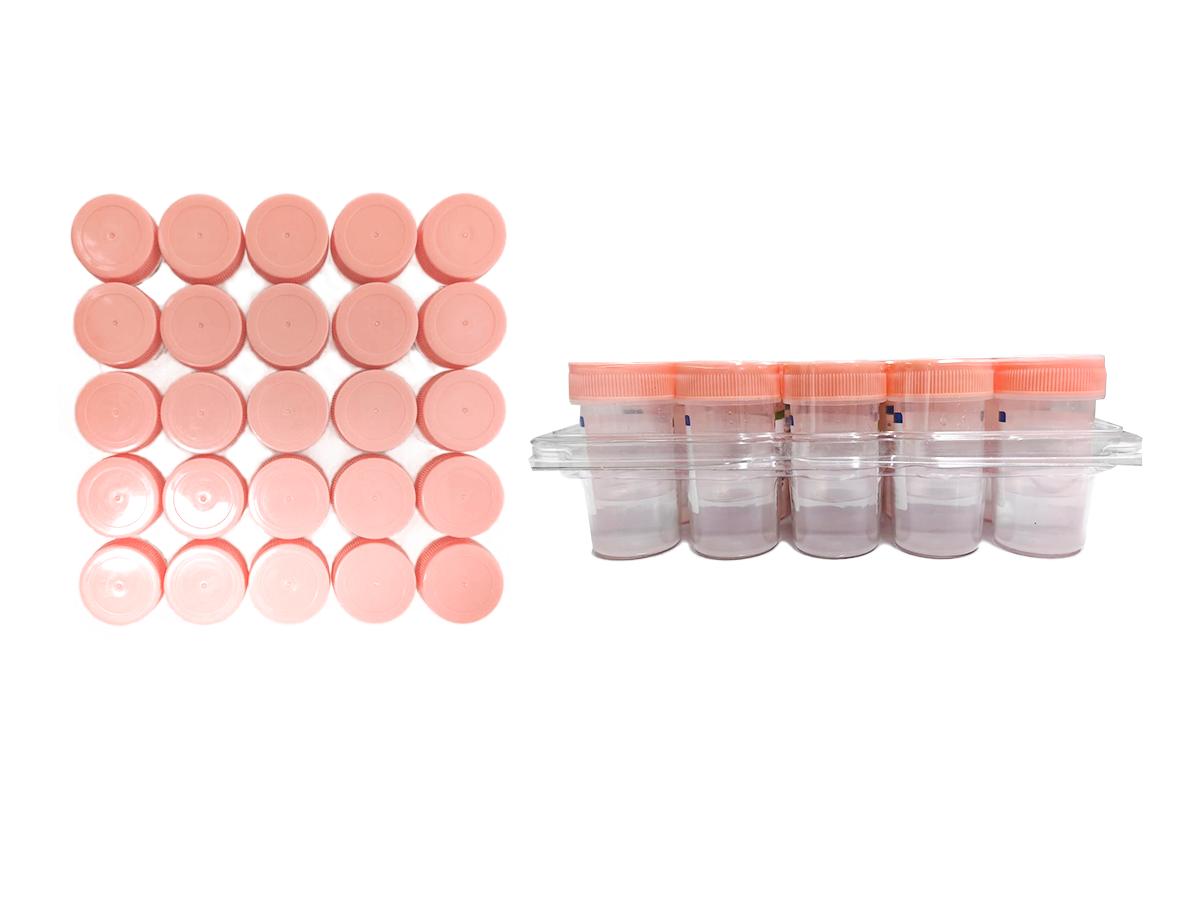
This product is used for the preservation and transport of human cervical exfoliated cells. Cell preservation solution plays a role in maintaining and fixing cell morphology and structure, which is the basis of pathological cell diagnosis. Optimal Preservation: Cell morphology should be intact, without obvious contraction or swelling. Extended Viability: Sampled cell samples can be placed in the cell preservation solution for up to 14 days. Ready to Use: Pre-packed in convenient 10
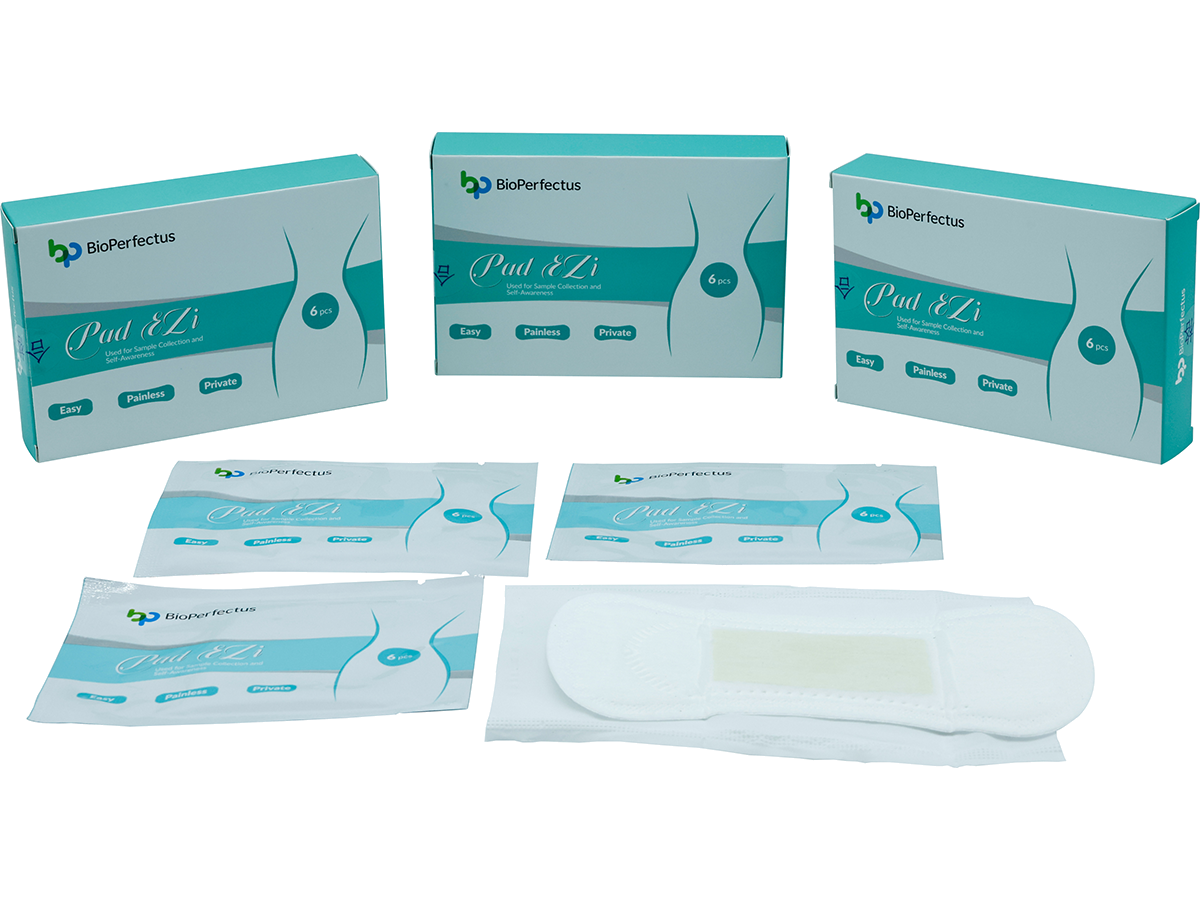
Recognizing the importance of maintaining a healthy female reproductive system is essential. Being aware of common conditions such as HPV (Human Papillomavirus), sexually transmitted infections (STls) ,and vaginal inflammation is a crucial step toward overall wellness. Traditional screenings, such as Pap smears, can be uncomfortable or even painful for some people. Non-invasive methods eliminate the need for invasive procedures, making the process far more comfortable and less intimidating.
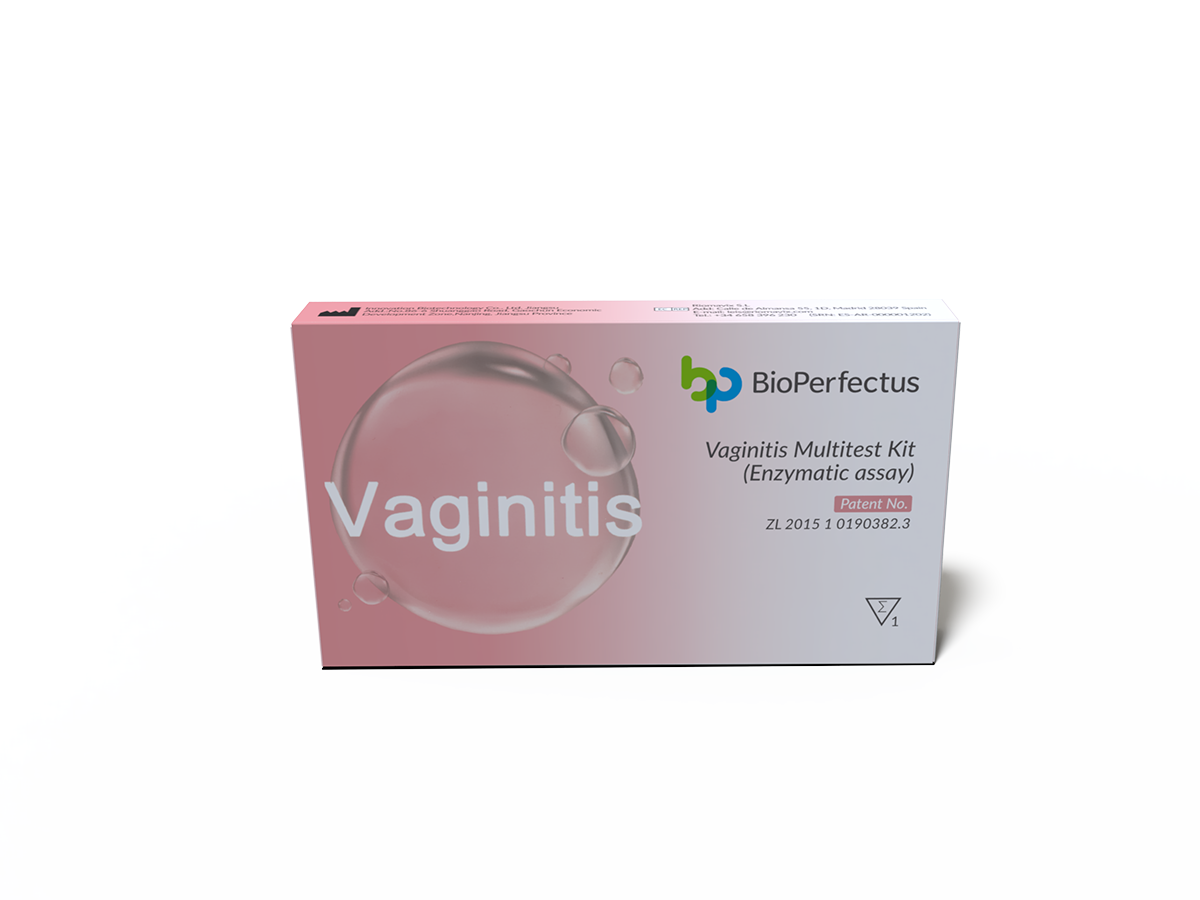
There are various types of female lower genital tract infections. Vaginitis is one of the most common problems in clinical medicine, and it is the reason cited most often for visits to obstetricians and gynecologists. According to the paper published in Lacent, it suggest that up to 30% of women with vaginal symptoms are not assigned a diagnosis after standard diagnostic assessment, about 75% of women develop vulvovaginal candidiasis (thrush or yeast infection) at least once in their lifeti
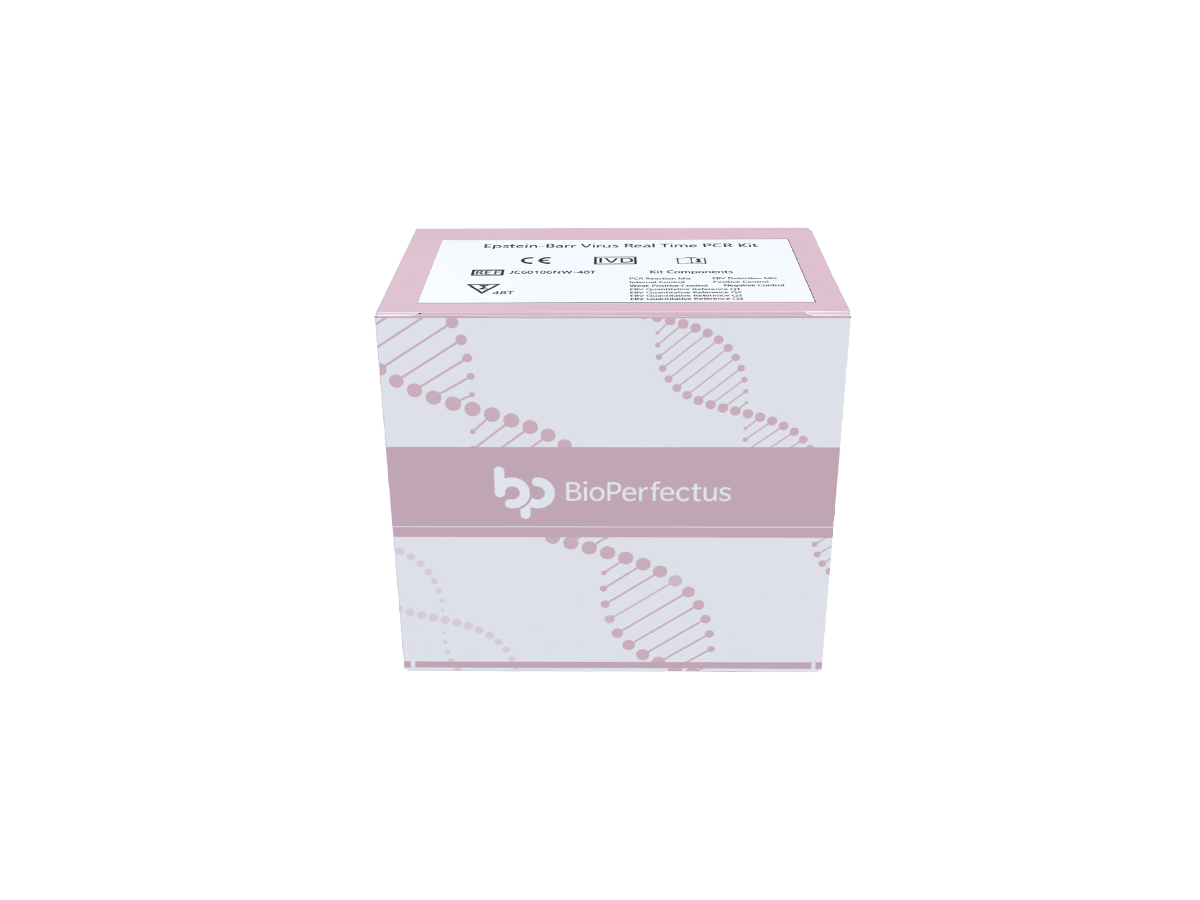
Epstein-Barr virus (EBV), also known as human herpesvirus 4, is a member of the herpes virus family. The EBV infection prevalence in children under 4 years of age is as high as over 90%. Children infected with EBV mainly present with non-neoplastic conditions, including infectious mononucleosis (IM), chronic active EBV infection (CAEBV), EBV associated hemophagocytic lymphohistiocytosis (EBV-HLH), and X-linked lymphoproliferative syndrome (XLP). EBV is classified as a group 1 carcinogen by the
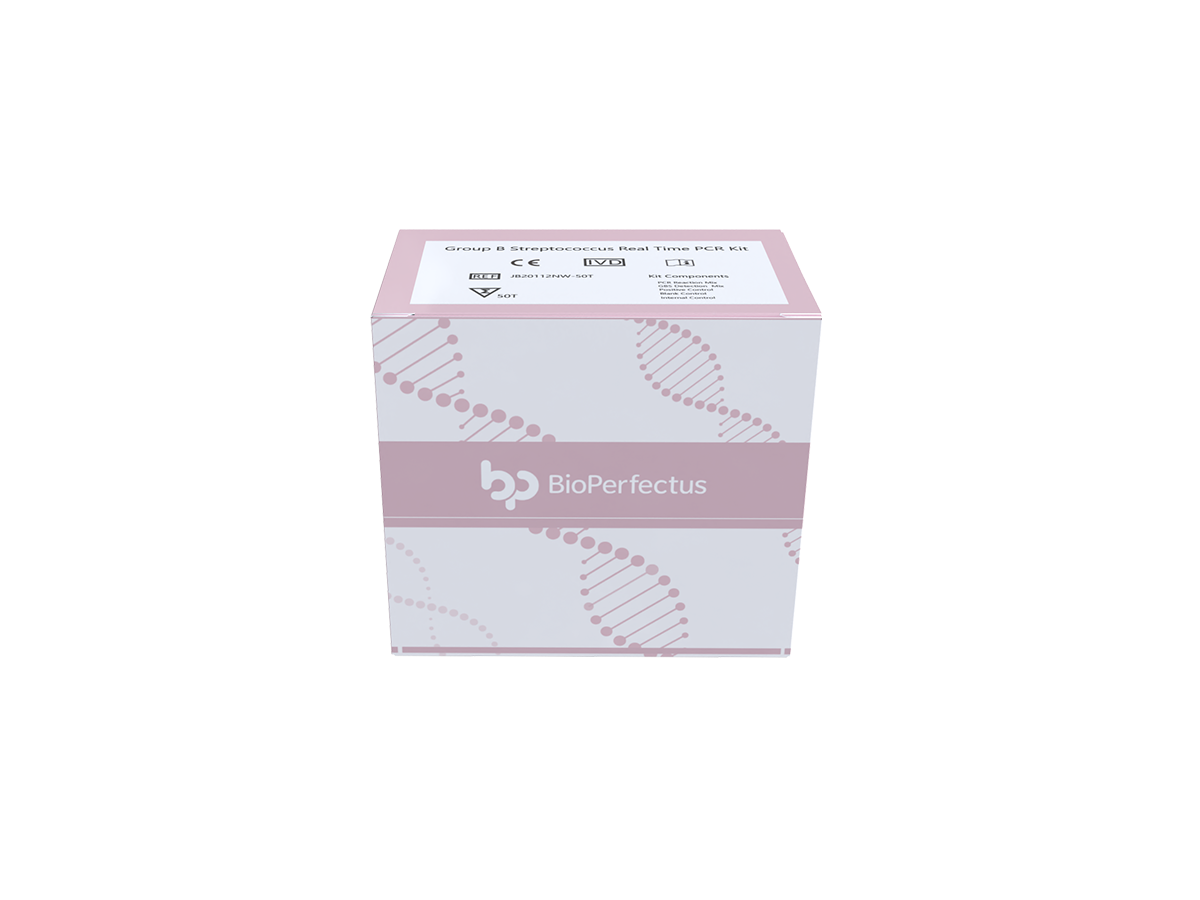
Bacteria called group BStreptococcus(group B strep, GBS) cause GBS disease. GBS bacteriacommonly live in peoples gastrointestinal and genital tracts which usually are not harmful. Babies can be exposed to GBS bacteria during delivery. Group B Streptococcusis a leading cause of neonatal and infant sepsis and meningitis globally. It is associated with maternal sepsis, stillbirths, and preterm births, and can cause disease in immunocompromised adults and the elderly, but the highest incidence
Spinal muscular atrophy (SMA) is a neurodegenerative disorder caused by mutations in SMN1 (encoding survival motor neuron protein (SMN)). SMN1is primarily responsible for making survival motor neuron (SMN) protein, which is required for maintaining normal, motor neuron function. Without enough SMN protein, motor neurons will degenerate, causing progressive loss of controlled muscle movement.Typically, the earlier the onset of the disease, the more severe the symptoms. Without early detection a
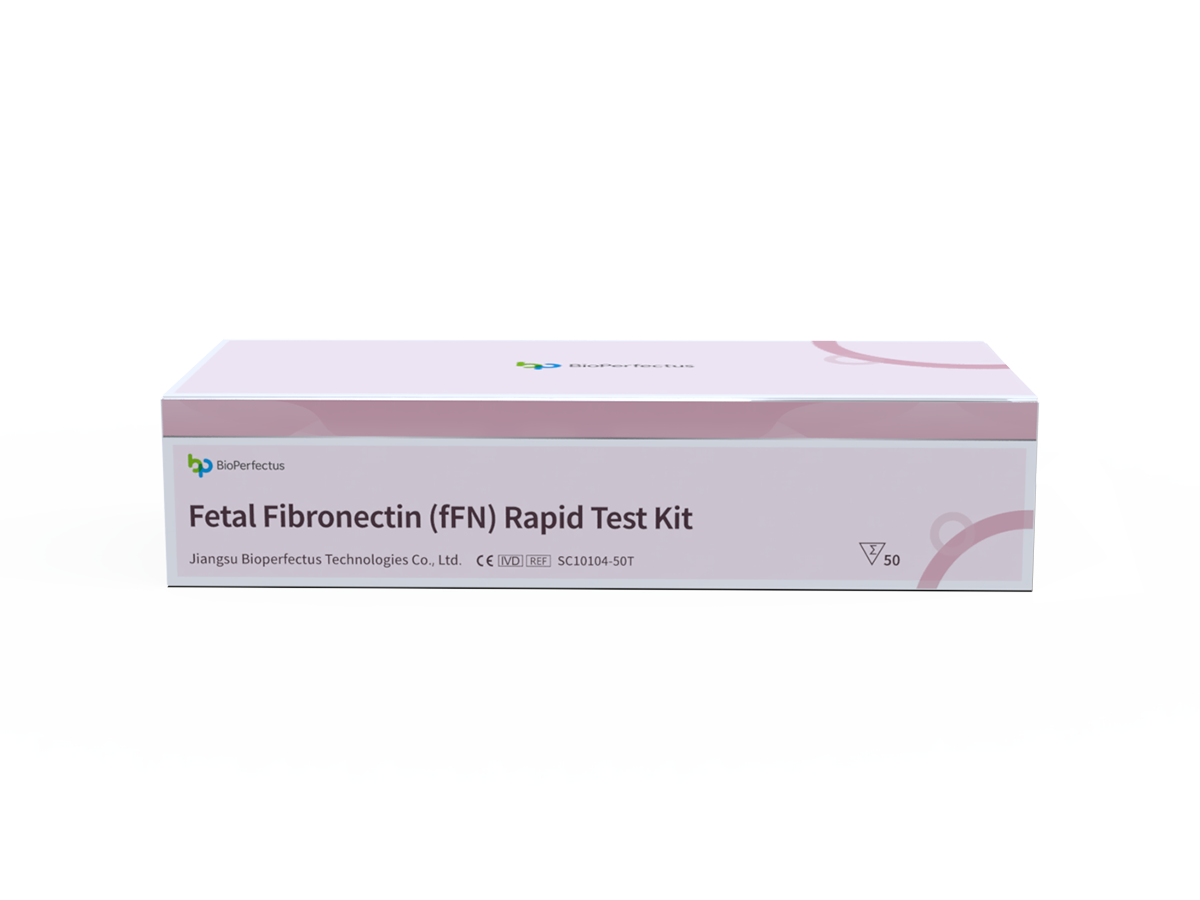
The fetal Fibronectin Rapid Test Kit is a rapid, membrane-based immuno-chromatographic test for the qualitative detection of fetal Fibronectin (fFN) in vaginal secretion samples from pregnant women and is used as an aid in the diagnosis of preterm birth. Fast results within 15 minutes Easy to use: 3 steps to finish the test Quality control ensures the reliability of the result Shelf life: 18 months The limit of detection (LOD): ≦50ng/ml Positive agreement: 97.25% Negative ag
I am interested in learning more about the BioPerfectus product
Fieids marked with an asterisk(*) are required