English
Español
Pусский
Français
Deutsch
简体中文
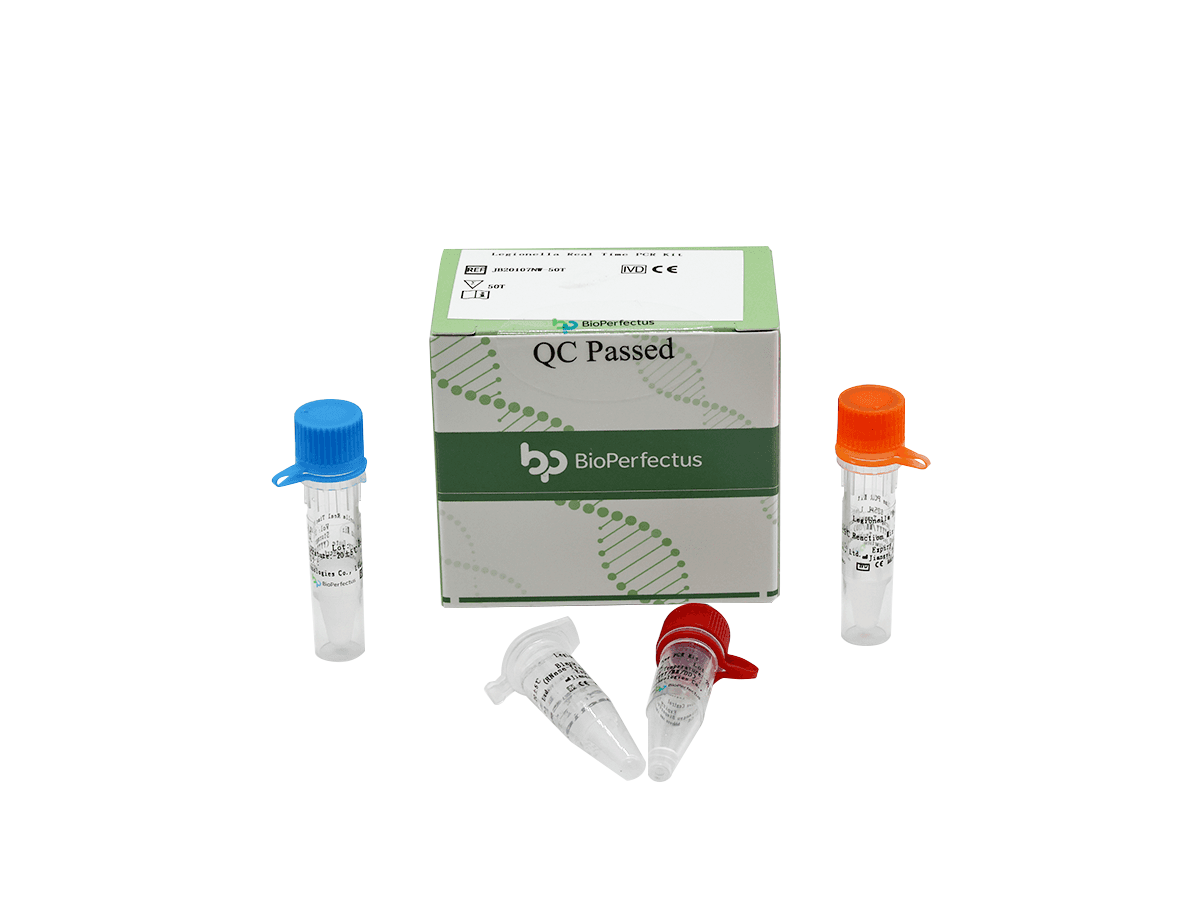
Legionellae are aerobic gram-negative bacteria associated with respiratory infections. Legionellae are ubiquitous in environmental water sources and may cause sporadic as well as epidemic cases. Aerosol-generating systems such as faucets, showerheads, whirlpools, cooling towers, and nebulizers aid in the transmission of Legionella from water to air. Legionellosis classically presents as two distinct clinical entities, Legionnaires disease (LD), pneumonia with severe multisystem disease, and Po
Respiratory syncytial virus is the pathogen of Pneumonia. According to its adhesive protein G antigenicity, it is divided into type A and type B. The clinical symptoms caused by its type A and type B are more similar. RSV is the most important pathogen of lower respiratory tract infection in infants and children, with the highest incidence at 2-6 months of age, an incubation period of 3-7 days, and heavy symptoms, which may include high fever, rhinitis, pharyngitis and laryngitis, followed by
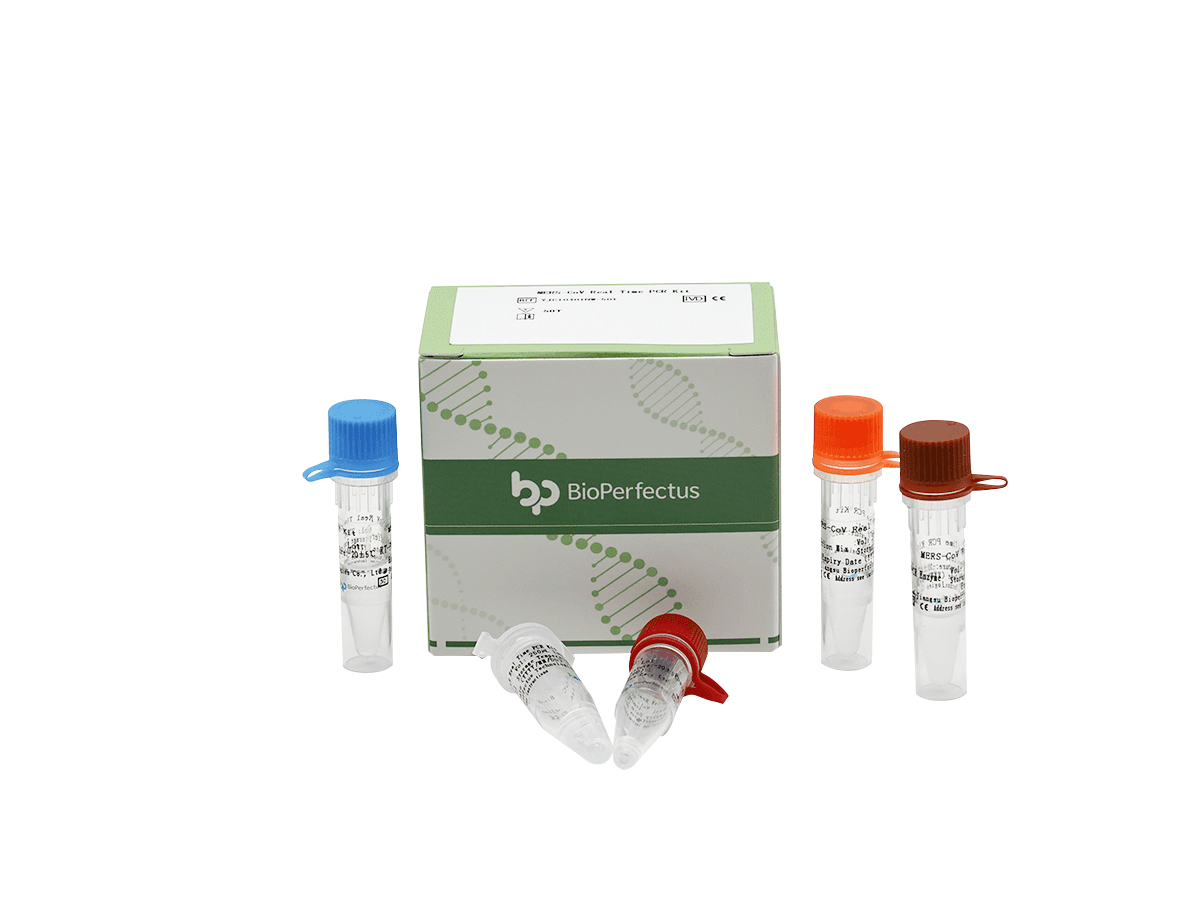
Middle East Respiratory Syndrome (MERS) is an illness caused by a virus (more specifically, a coronavirus) called the Middle East Respiratory Syndrome Coronavirus (MERS-CoV). Most MERS patients developed severe respiratory disease with symptoms of fever, cough and shortness of breath. About 3 or 4 out of every 10 patients reported with MERS have died. The BioPerfectus MERS-CoV Real Time PCR Kit is a real-time PCR research assay for the qualitative analysis of MERS-CoV RNA in research sample
Botulism is a life-threatening disease caused by the ingestion of a potent neurotoxin produced during the growth of the Clostridium botulinum bacteria. This neurotoxin is among the most toxic substances known; even microscopic amounts can cause illness or death. Symptoms of botulism usually appear within 12 to 36 hours after eating food containing the neurotoxin, although there have been documented cases that ranged from 4 hours to 8 days. The BioPerfectus Clostridium botulinum Real Time PC
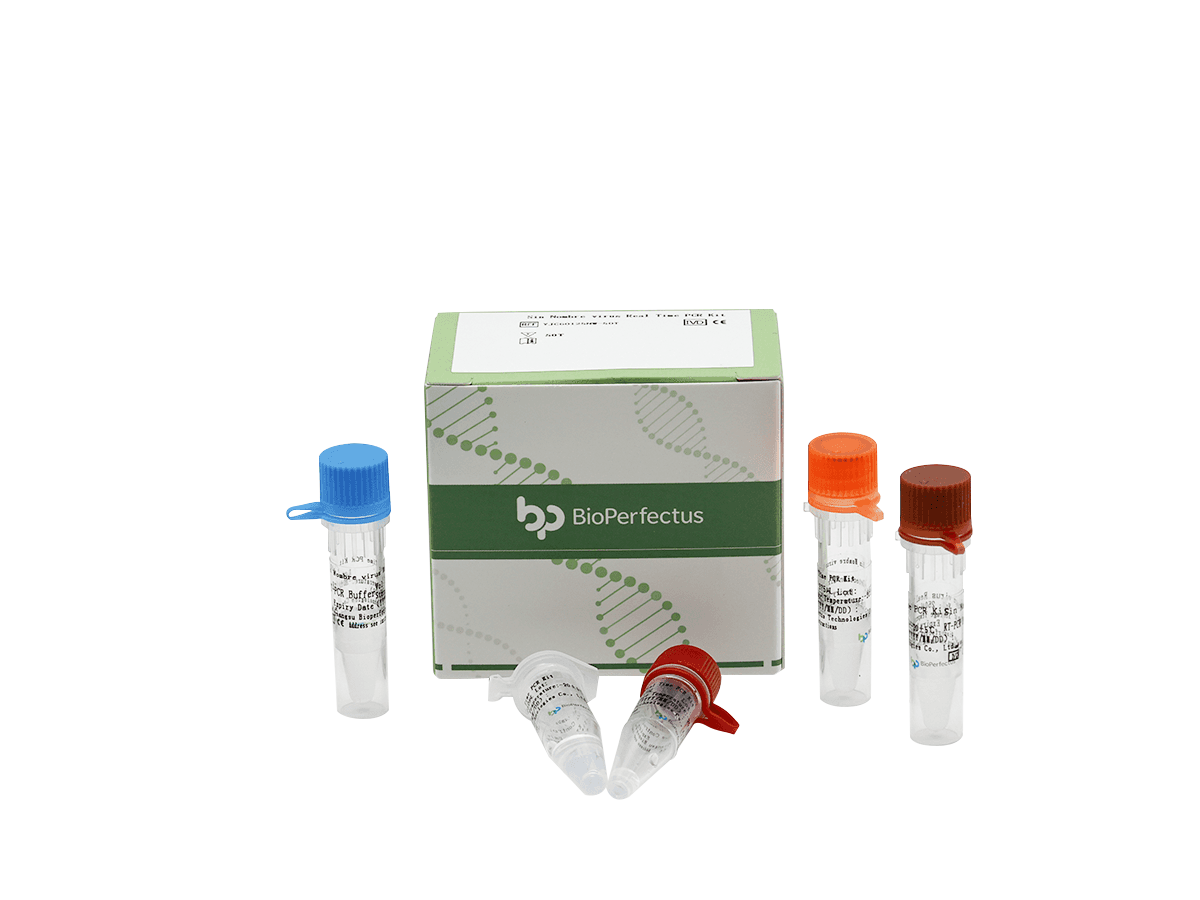
Hantavirus Pulmonary Syndrome (HPS) is a severe, sometimes fatal, respiratory disease in humans caused by Sin Nombre Viruses from the family Bunyaviridae. The host of the Sin Nombre virus is the deer mouse (Peromyscus maniculatus). Early symptoms include fatigue, fever and muscle aches, especially in the large muscle groupsthighs, hips, back, and sometimes shoulders. There may also be headaches, dizziness, chills, and abdominal problems, such as nausea, vomiting, diarrhea, and abdominal pain.
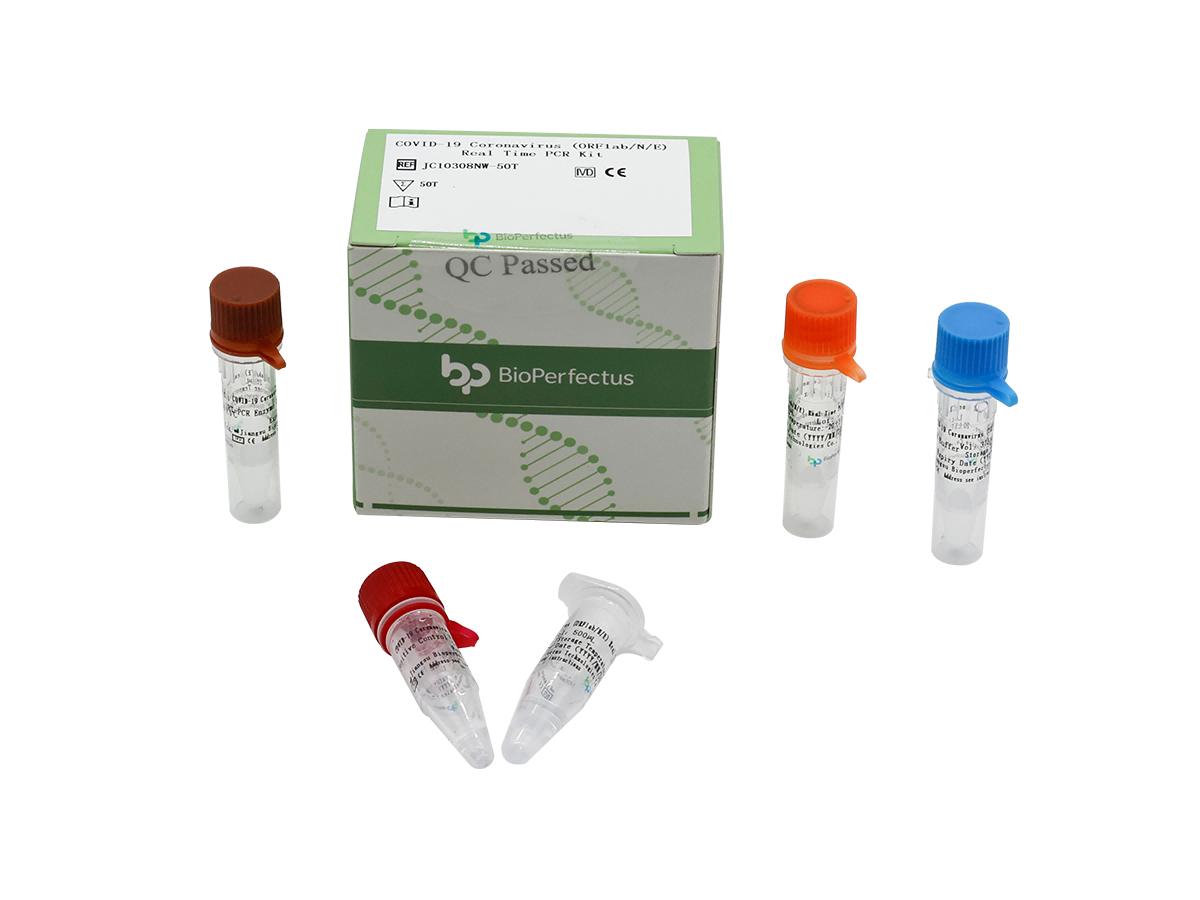
COVID-19 Coronavirus (ORF1ab/N/E) Real Time PCR Kit is an In Vitro Diagnostic (IVD) reagent replying on fluorescent PCR technology and aiming at qualitatively detection and differentiation of human RNA from SARS-CoV-2 from upper and lower respiratory tract samples. Primer and probe are selected fromOpen Reading Framegene region (ORF1a/b),envelope protein (E)andnucleocapsid region (N)for SARS-CoV-2. The kit is a multiplex assay, run in a single well/vessel, designed for detection and differenti
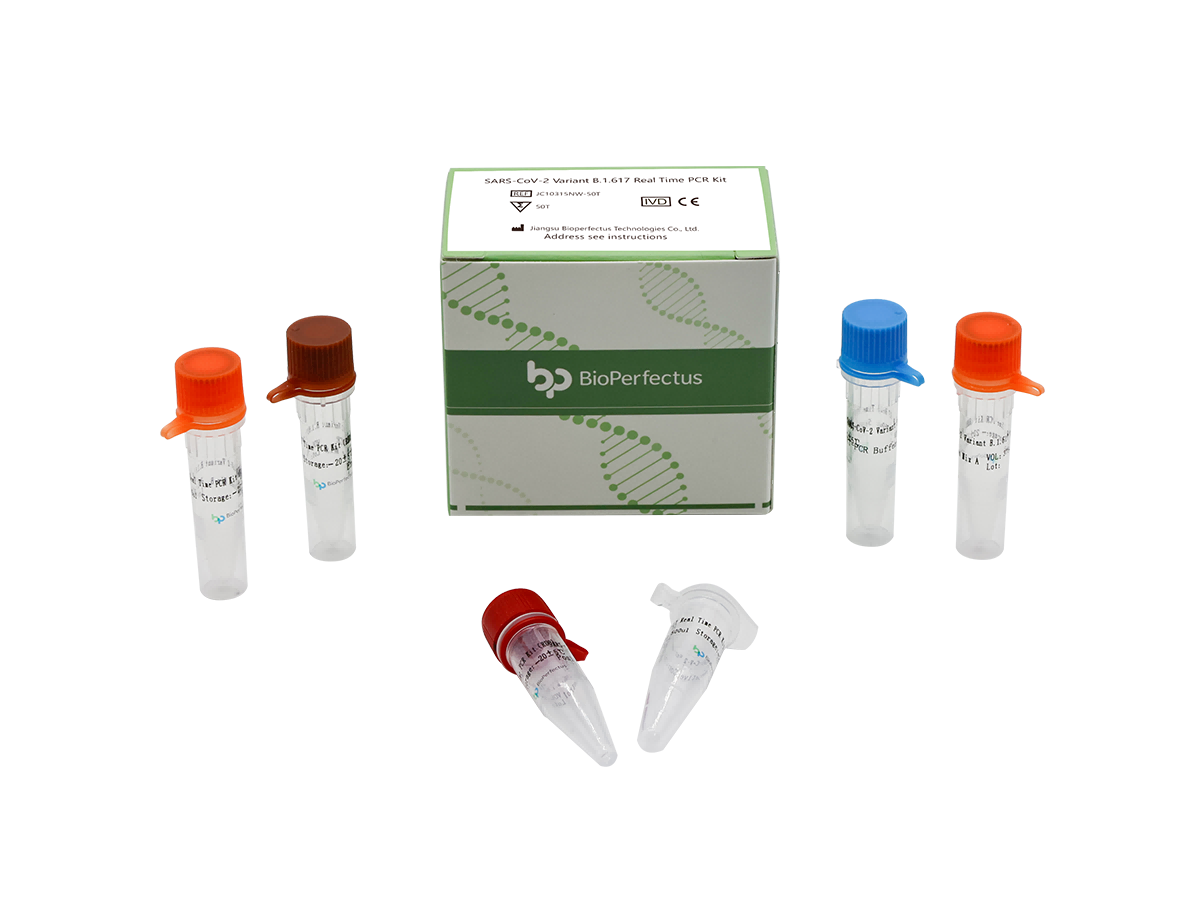
In October 2020, SARS-CoV-2 lineage B.1.617 emerged in India, causing an exponential increase in COVID-19 cases across the country. The lineage is further divided into three subgroups: B.1.617.1, B.1.617.2, and B.1.617.3, of which the B.1.617.2 variant (also known as Delta variant) has been designated as Variant of Concern (VOC) by WHO because of significantly increased infectivity. The mutations L452R and E484Q, along with P681R in the furin cleavage site are reported to lead to increased ACE
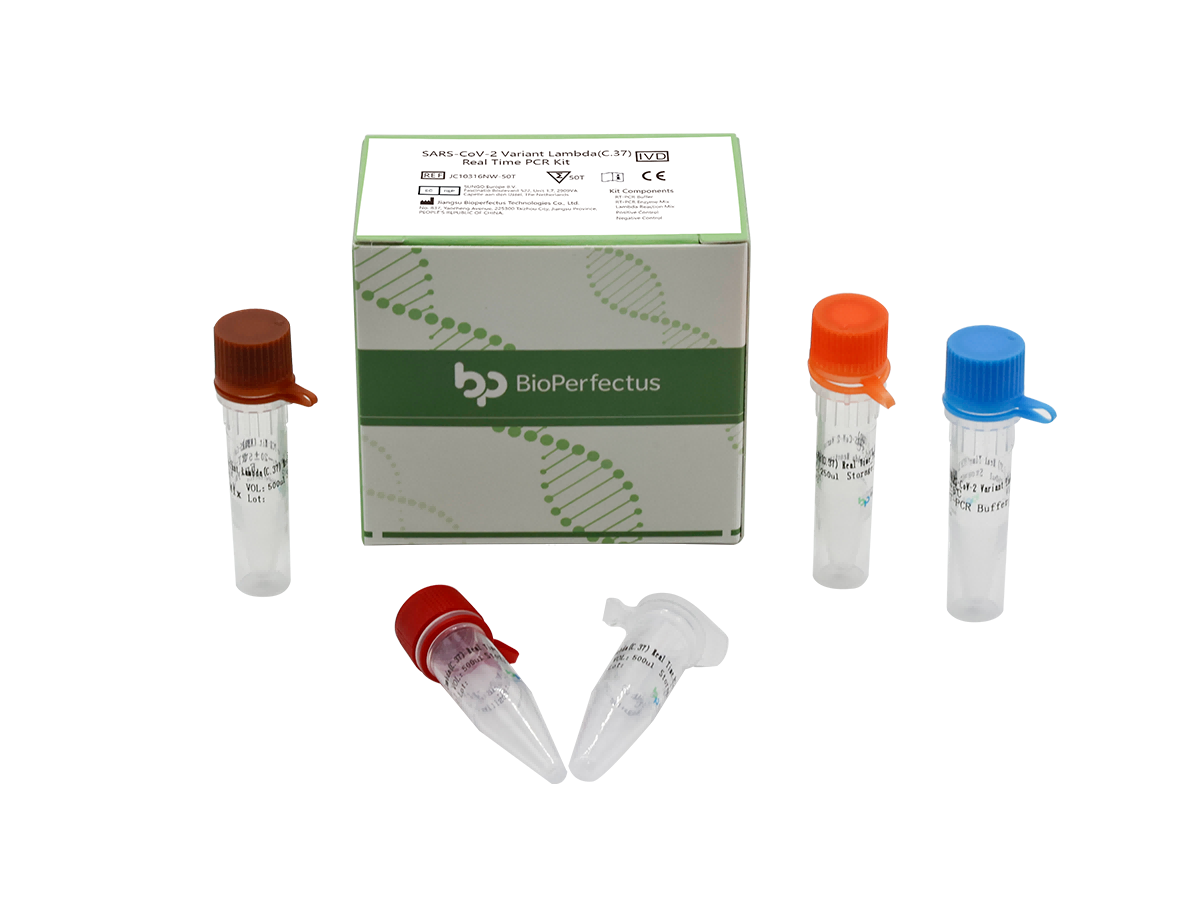
SARS-CoV-2 Lambda (C.37) variant was first detected in Peru in December 2020 and has been designated as a VOI by the WHO in June 2021, due to a heightened presence of this variant in Peru, Chile, United States of America, Argentina, etc.The spike protein of the Lambda variant is more infectious, which is attributed to the T76I and L452Q mutations. Another mutation F490S has already been associated with reduced susceptibility to antibodies generated in patients who had recovered from COVID. Thi
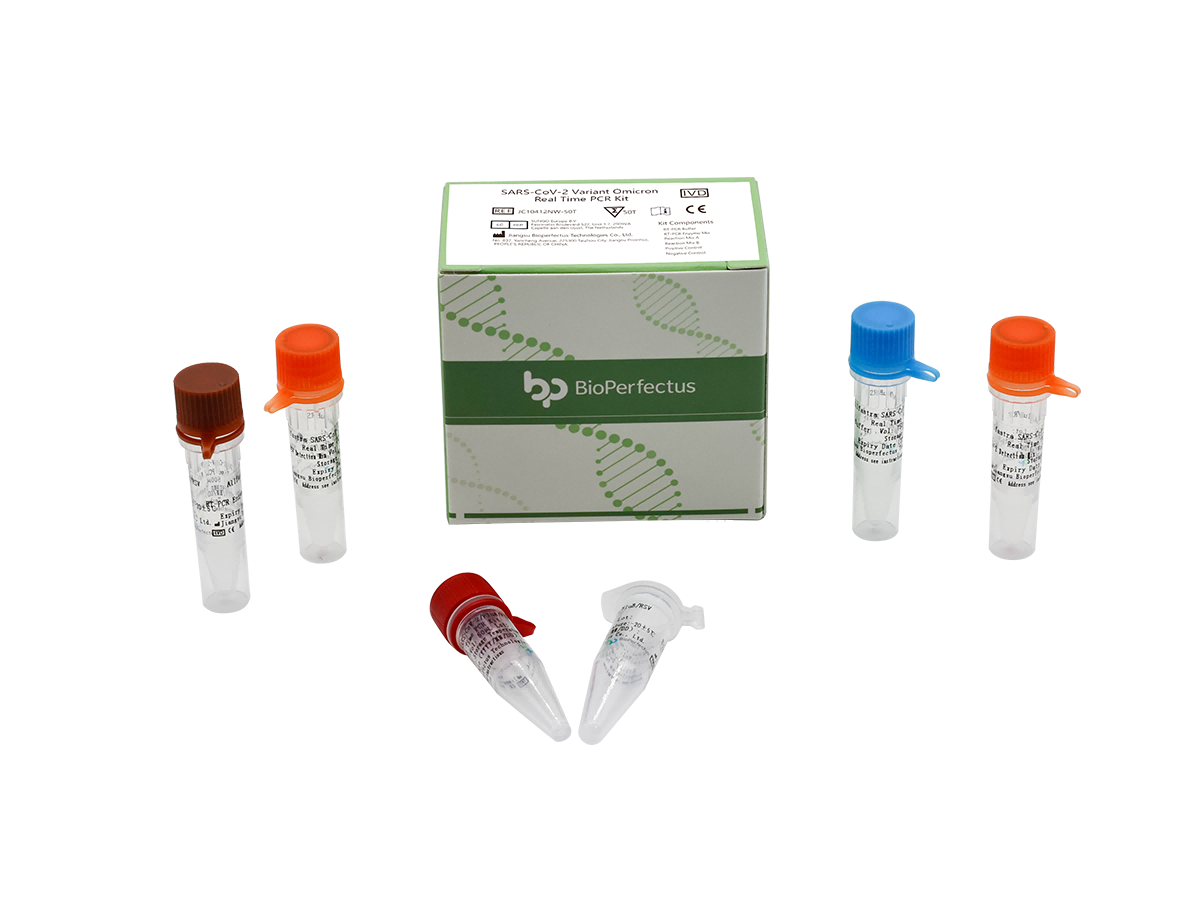
On Nov. 24, 2021, the variant B.1.1.529 was first identified in South Africa, and only two days later, WHO announced that B.1.1.529 constitutes a variant of concern, named Omicron. There are more than 30 mutation sites on the S gene of variant B.1.1.529. Omicron has a greater binding affinity than the original SARS-CoV-2 virus, with levels more comparable to what we see with the Delta variant. Some of the mutations have been detected in previous variants, such as Alpha and Delta, and have been
The Novel Corona Virus(SARS-CoV-2)IgM/IgG Rapid Test Kit from Bioperfectus is an in vitro diagnostic test used for the detection of novel coronavirus (SARS-CoV-2) IgM and IgG antibodies. This product is based on immunochromatographic technology. The detection area of the strip has an IgM test line (T2 line), an IgG test line (T1 line) and a control line (C line). Fast results within 10-15 minutesEasy to use: 3 steps to finish the testQuality control: ensure the result is reliableMultiple
I am interested in learning more about the BioPerfectus product
Fieids marked with an asterisk(*) are required