English
Español
Pусский
Français
Deutsch
简体中文
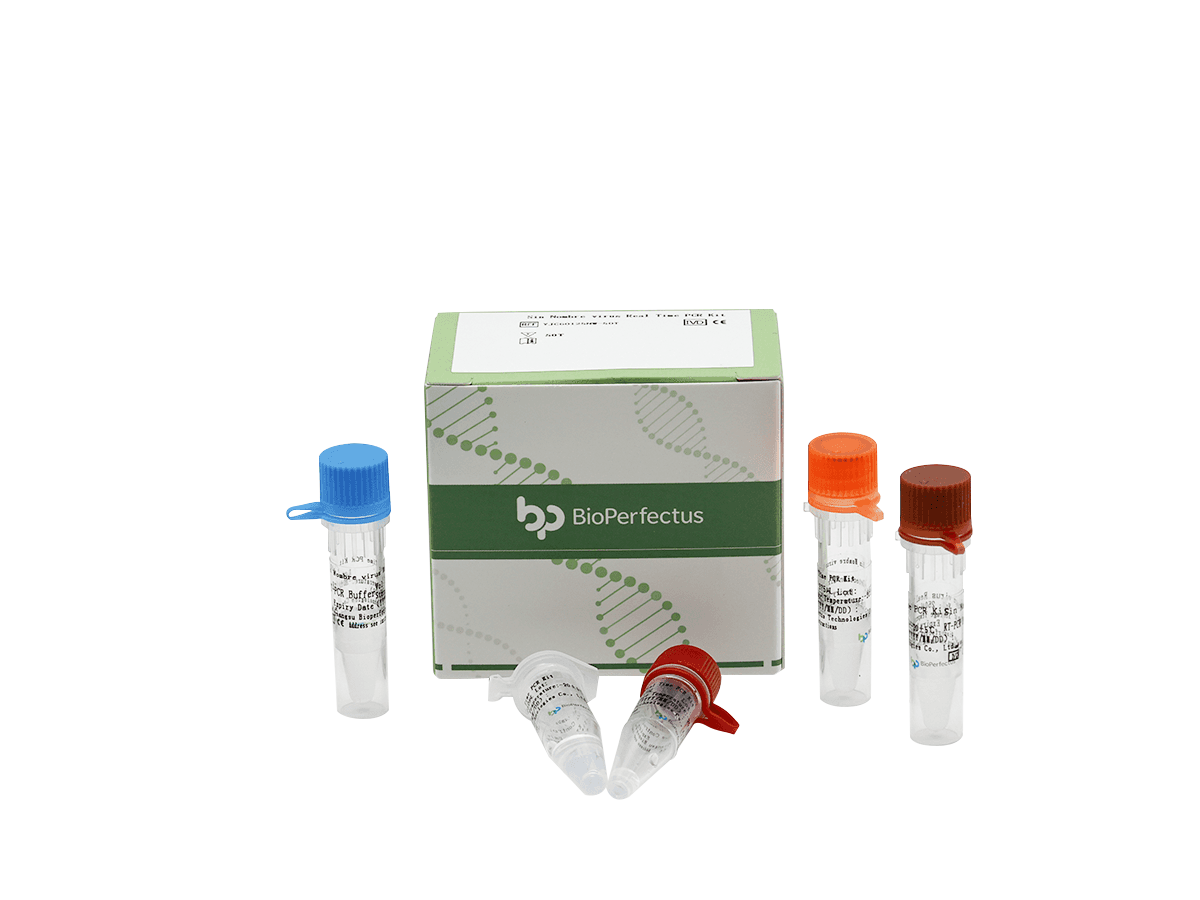
Hantavirus Pulmonary Syndrome (HPS) is a severe, sometimes fatal, respiratory disease in humans caused by Sin Nombre Viruses from the family Bunyaviridae. The host of the Sin Nombre virus is the deer mouse (Peromyscus maniculatus). Early symptoms include fatigue, fever and muscle aches, especially in the large muscle groupsthighs, hips, back, and sometimes shoulders. There may also be headaches, dizziness, chills, and abdominal problems, such as nausea, vomiting, diarrhea, and abdominal pain.
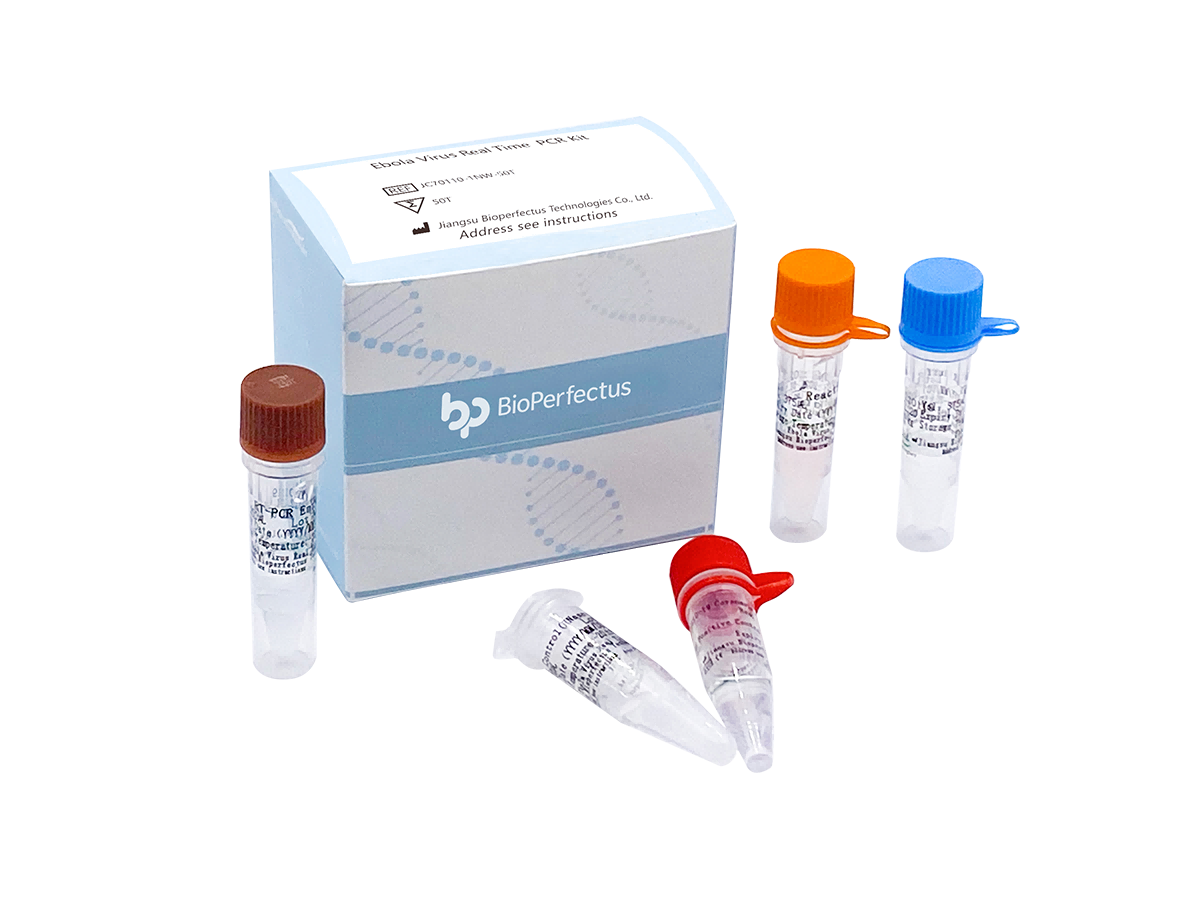
Filoviruses are RNA viruses in the family Filoviridae. Ebola virus and Marburg virus can cause severe viral hemorrhagic fevers, with signs and symptoms that may include fever, headache, abdominal pain, diarrhea, shock, and bleeding. Early symptoms are often nonspecific, while disease progression can be rapid, and case fatality rates can be high. The BioPerfectus Filovirus Real Time PCR Kit is a multiplex real-time PCR research assay for the qualitative detection and differentiation of Ebola
Bundibugyo ebolavirus belongs to the family Filoviridae and can cause severe hemorrhagic fever. Early symptoms may be nonspecific and include malaise, fever, and pain, while disease can progress rapidly. Following zoonotic spillover, transmission can occur through direct contact with infected blood and other bodily fluids. The BioPerfectus Bundibugyo ebolavirus Real Time PCR Kit is a real-time PCR research assay for the qualitative detection of Bundibugyo ebolavirus RNA in human throat swab
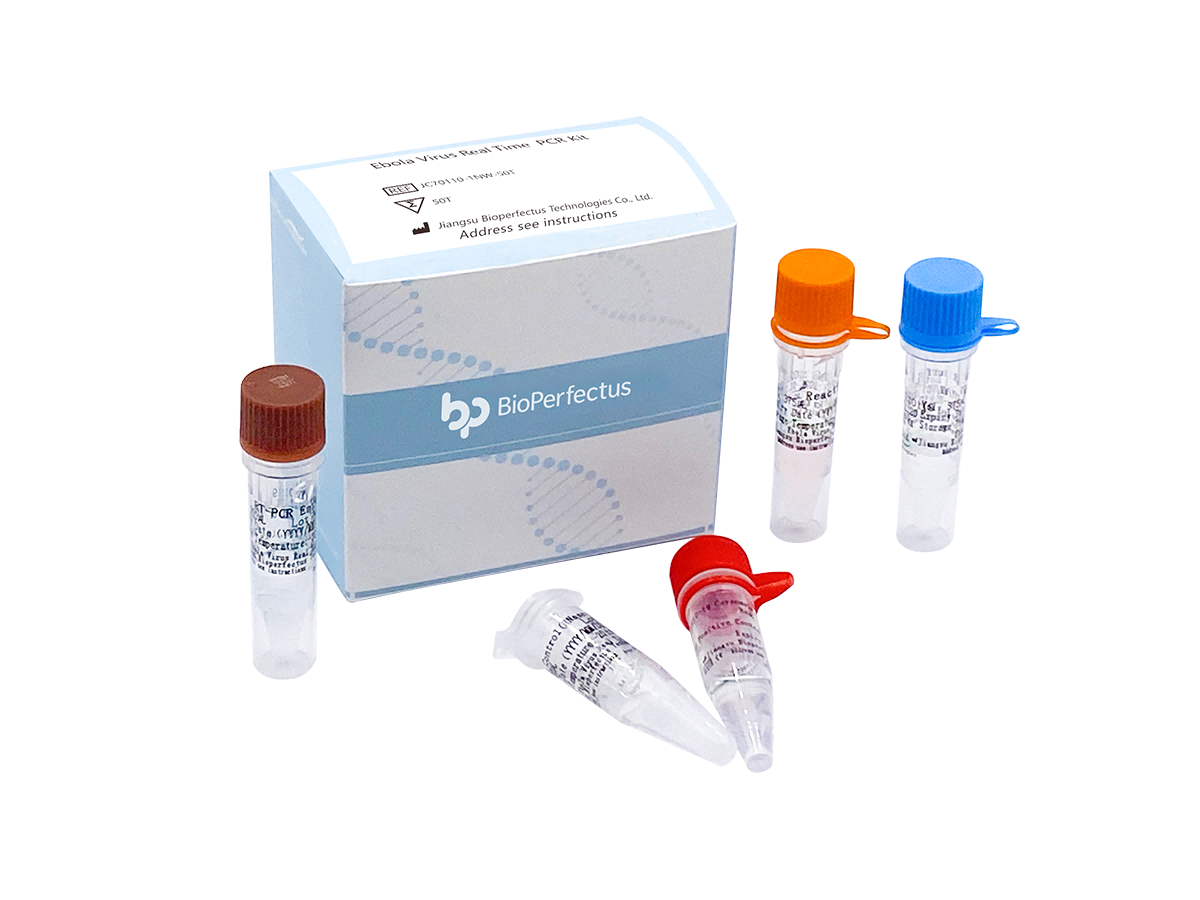
Ebola disease is caused by orthoebolaviruses, which are found primarily in sub-Saharan Africa. Disease-associated viruses include Zaire, Sudan, Bundibugyo, and Ta Forest viruses, while Reston virus has caused disease in non-human primates. Symptoms may begin 221 days after exposure and can progress from fever, aches, and fatigue to vomiting, diarrhea, and unexplained bleeding. The BioPerfectus Bundibugyo virus and Orthoebolavirus Real Time PCR Kit is a multiplex real-time PCR research assay
Rabies virus belongs to the order Mononegavirales, viruses with a nonsegmented, negative-stranded RNA genome. Itis a vaccine-preventable, zoonotic, viral disease affecting the central nervous system. Once clinical symptoms appear, rabies is virtually 100% fatal. Dogs are the main source of human rabies deaths, contributing up to 99% of all rabies transmissions to humans. Rabies can be prevented through the vaccination of dogs and the prevention of dog bites. It spreads to people and animals
Brucellosis, also known as Mediterranean relaxation fever, Maltese fever or wave fever, is commonly known as lazy man's disease.It is a bacterial disease caused by variousBrucellaspecies, which mainly infect cattle, swine, goats, sheep and dogs. Humans generally acquire the disease through direct contact with infected animals, by eating or drinking contaminated animal products or by inhaling airborne agents. Brucellosis is found globally and is a reportable disease in most countries. It aff
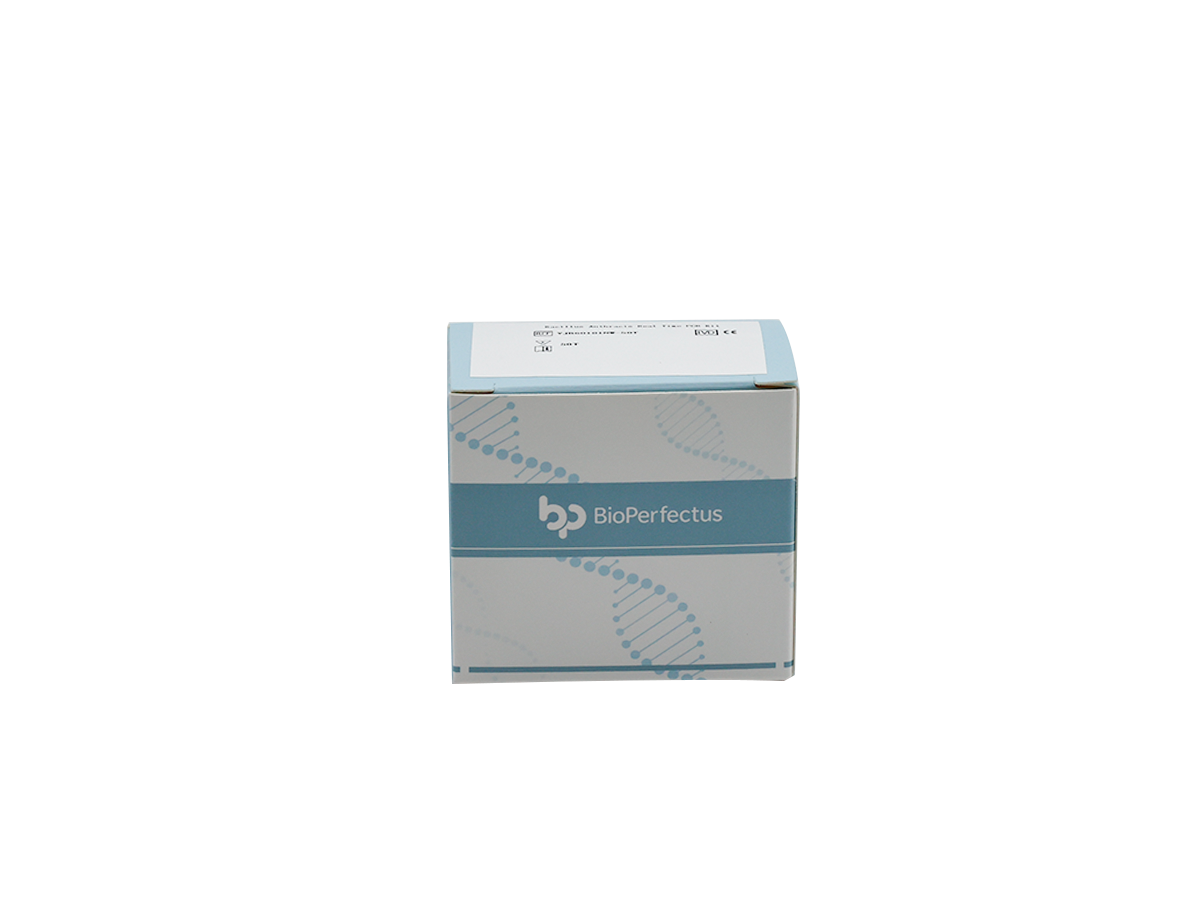
Anthrax is a rare but serious infectious disease caused by bacteria known asBacillus anthracis. Bacillus anthracis is a Gram-positive and rod-shaped bacterium that causes anthrax, a deadly disease to livestock and, occasionally, to humans. It is the only permanent pathogen within the genus Bacillus. Humans generally acquire the disease directly or indirectly from infected animals, or through occupational exposure to infected or contaminated animal products. Worldwide, the estimated incidenc
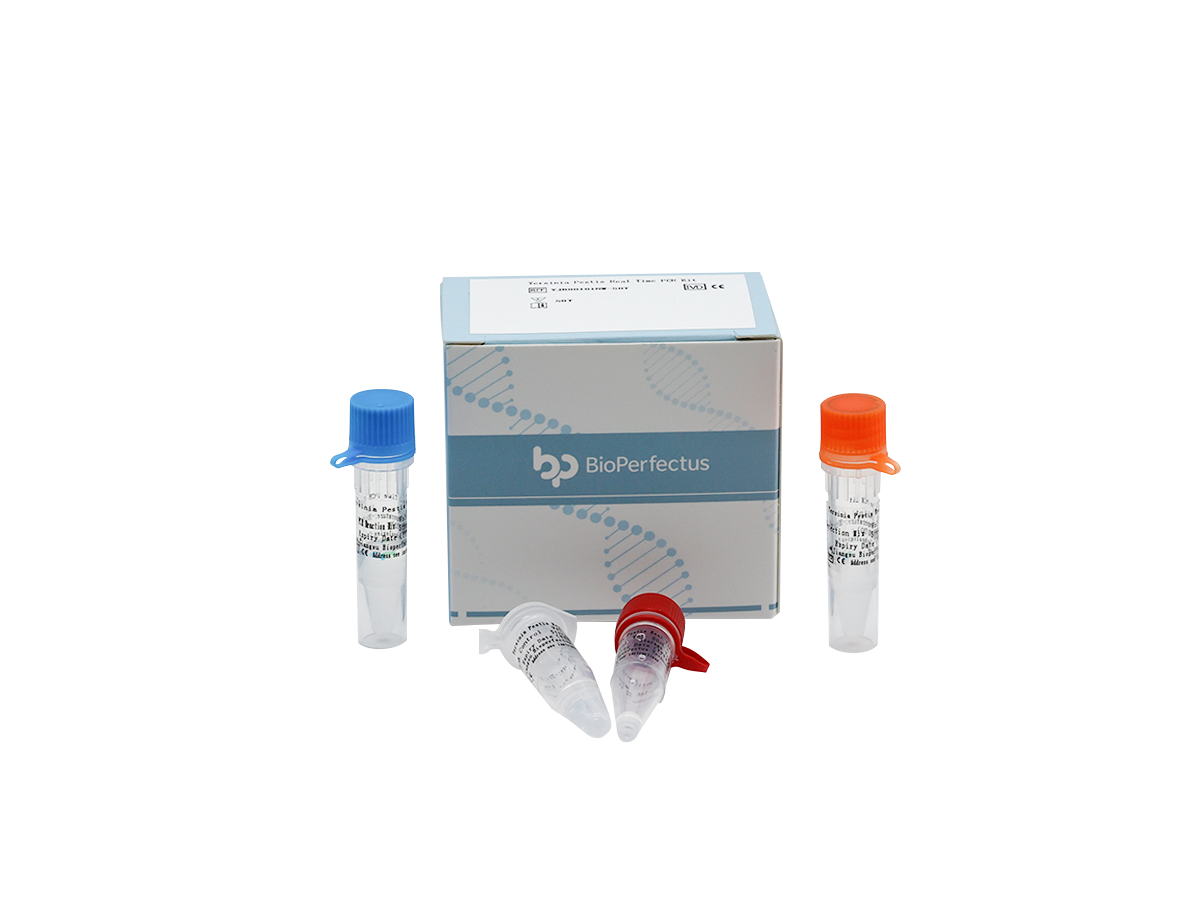
Plague is an infectious disease caused by the bacteria Yersinia pestis, a zoonotic bacteria, usually found in small mammals and their fleas. It is transmitted between animals through fleas.Plague is a very severe disease in people, particularly in its septicaemic and pneumonic forms, with a case-fatality ratio of 30% to 100% if left untreated. People infected with the plague usually develop acute febrile disease with other non-specific systemic symptoms after an incubation period of one to
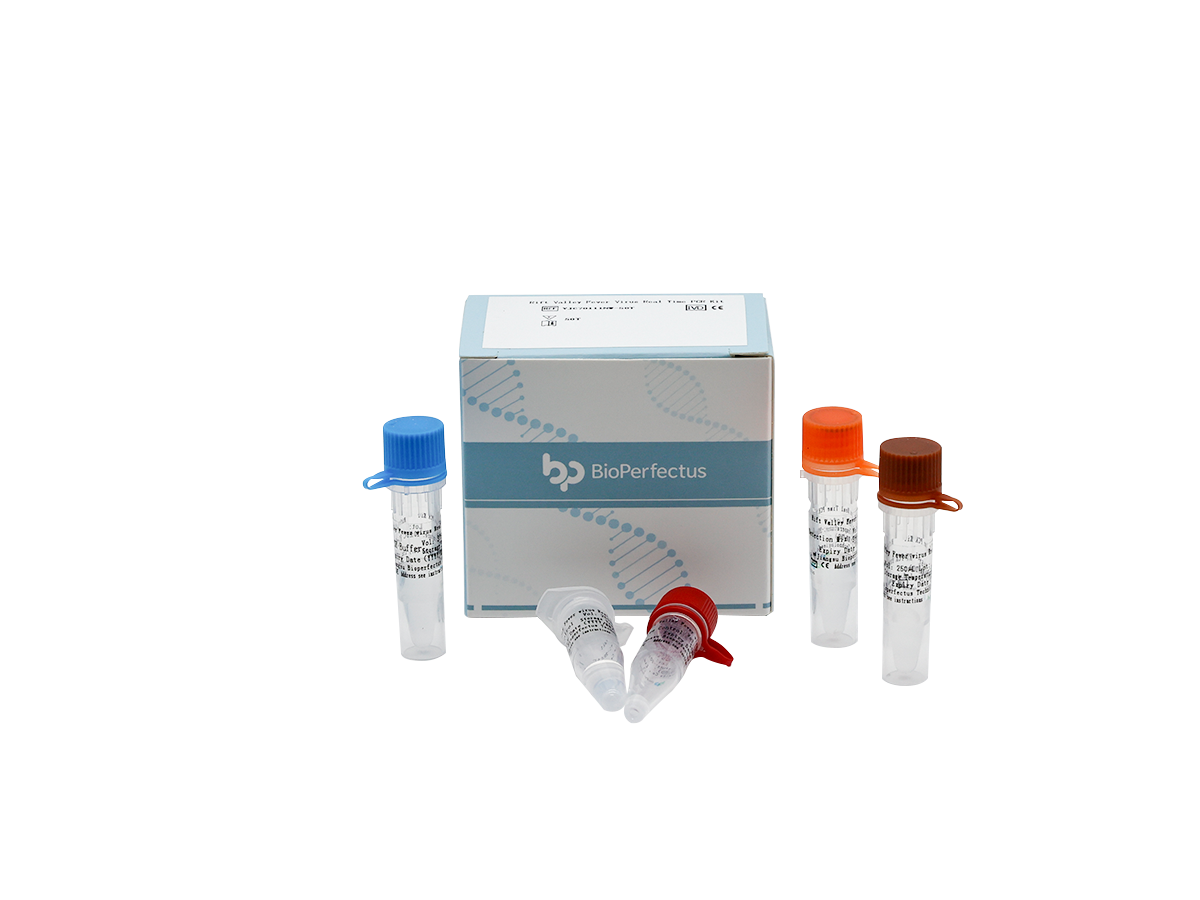
Rift Valley fever (RVF) is a member of thePhlebovirusgenus. It is a viral zoonosis that primarily affects animals but can also infect humans. Outbreaks of RVF can have major societal impacts, including significant economic losses and trade reductions. The disease most commonly affects livestock, causing severe illness and abortion in domesticated animals, an important income source for many. The majority of human infections result from direct or indirect contact with the blood or organs of
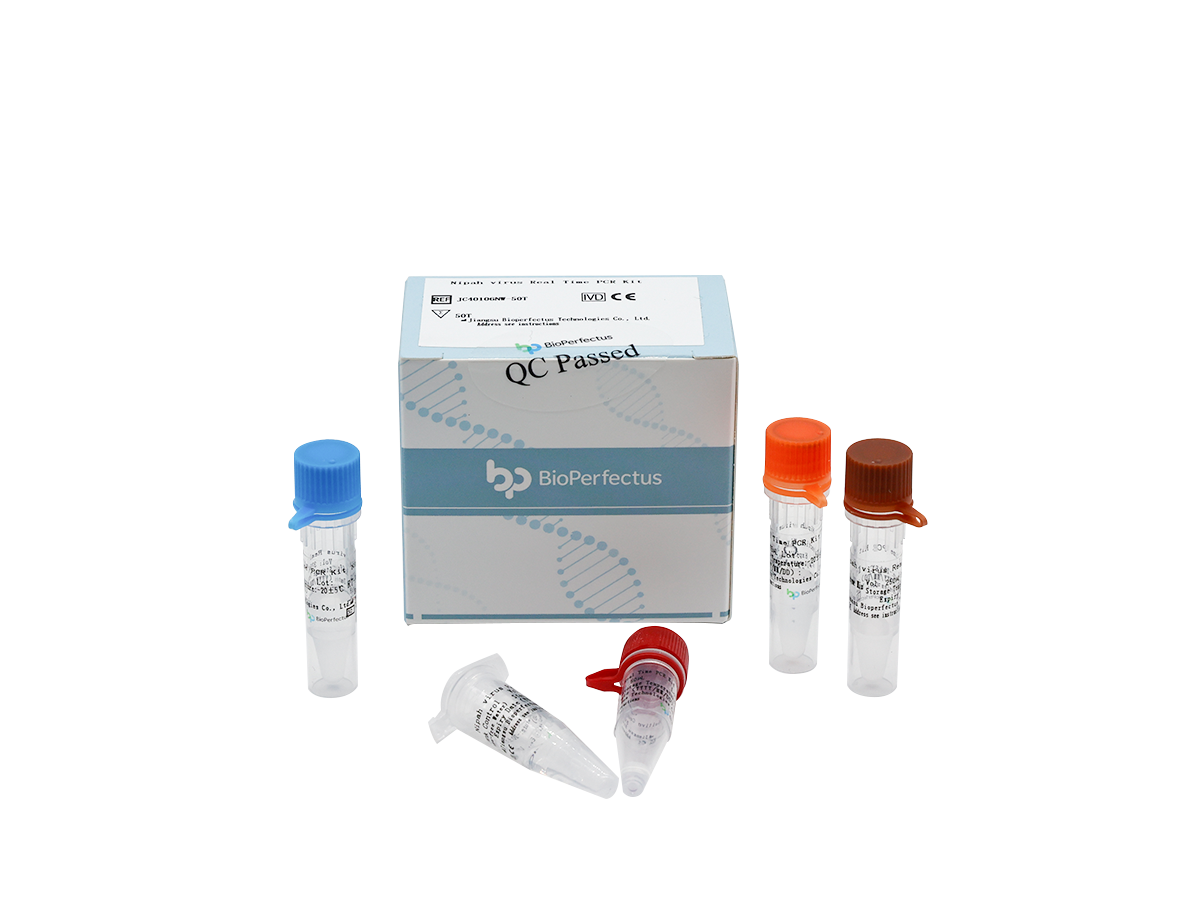
Nipah virus(NiV) is a member of the familyParamyxoviridae, genusHenipavirus. Itis a zoonotic virus and can also be transmitted through contaminated food or directly between people. Human infections range from asymptomatic infection to acute respiratory infection (mild, severe) and fatal encephalitis. The incubation period (interval from infection to the onset of symptoms) is believed to range from 4 to 14 days. However, an incubation period of as long as 45 days has been reported. The case
I am interested in learning more about the BioPerfectus product
Fieids marked with an asterisk(*) are required