Most anogenital HPV infections are naturally cleared within two years. However, approximately 10% of women develop persistent infections, and the mechanisms underlying persistence remain incompletely understood.
A high-temporal-resolution cohort study recently published in PLOS Biology systematically characterized viral-load kinetics and immune dynamics during HPV infection through intensive follow-up visits every two months. The findings provide new insights into the transition from acute to chronic HPV infection.
Conclusion
HPV clearance is associated with activation of the immune response. Changes in viral load may help optimize screening strategies, while a better understanding of immune dynamics may support the identification of biomarkers and potential immunotherapeutic targets.
Methods
This study was conducted within the PAPCLEAR prospective cohort in Montpellier, France. A total of 189 women aged 18–25 years were enrolled and followed every two months until HPV clearance or for a maximum of 24 months. In the viral kinetic analysis, 158 incident and prevalent HPV infection episodes from 76 women were characterized.
HPV viral load was quantified by qPCR and normalized to human gene copy numbers representing cellular content within each sample.
Key Findings
1. HPV Infection Is Associated with Distinct Changes in Immune Cell Populations
Local immune-cell composition differed significantly between HPV-positive and HPV-negative samples.
One TCRγδ T-cell population, cluster VII, was significantly enriched in HPV-positive samples, while CD4+ T cells were significantly reduced (FC = 0.62). Cluster VII and the unidentified cluster VIII were significantly increased, with FC values of 1.71 and 1.41, respectively. NK cells, monocytes, and several other leukocyte populations were relatively reduced, with specific subsets such as clusters IV, V, and VI reaching statistical significance.
These findings suggest a close association between HPV infection and specific alterations in local immune-cell populations.
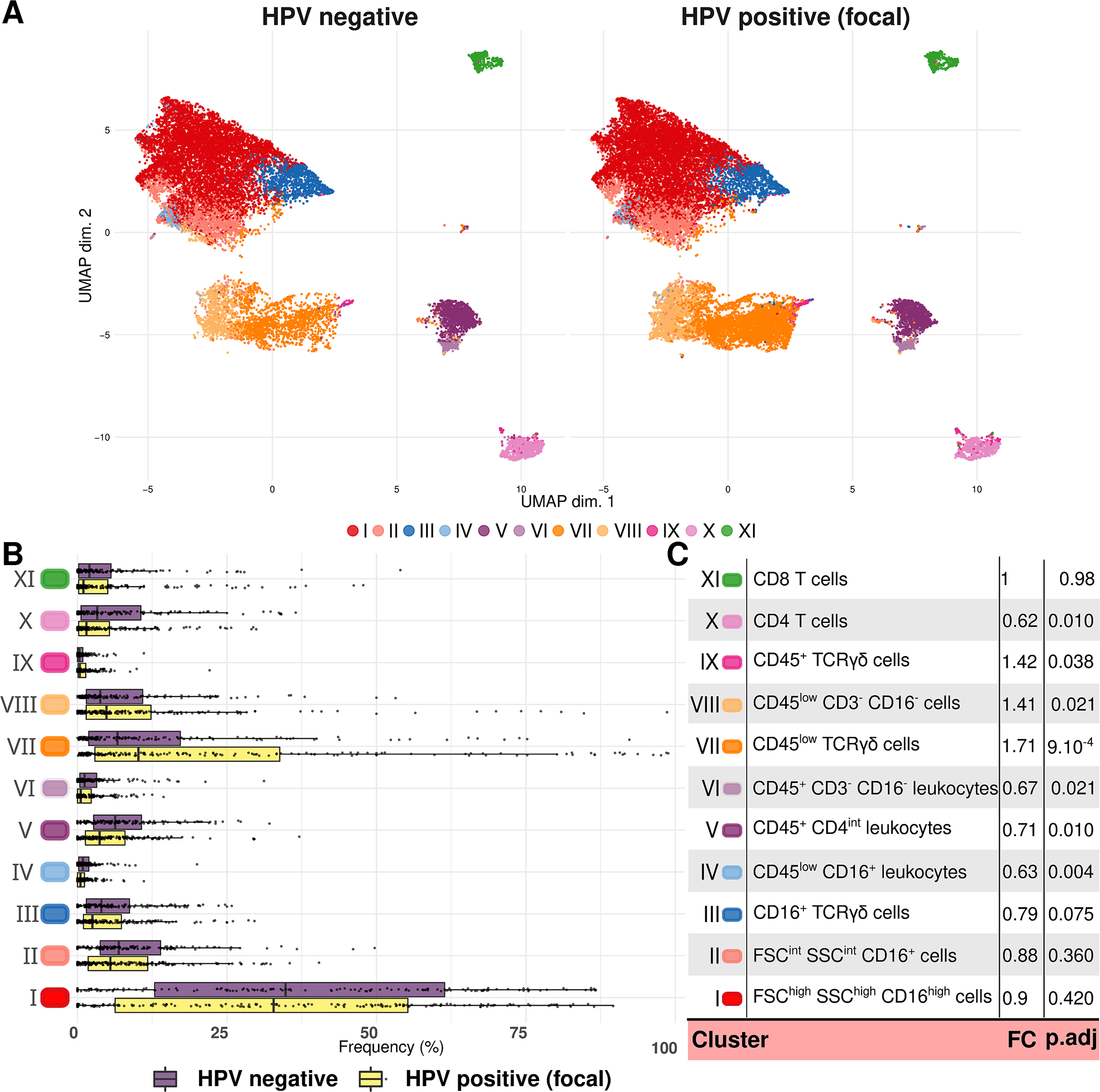
Figure 1. Unsupervised clustering analysis of flow cytometry data from cervical smears. Reproduced from Tessandier et al., PLOS Biology, 2025.
2. Most HPV Infections Exhibit a Stable Plateau Rather Than a Classical Rise-and-Fall Pattern
Most HPV infections did not follow the traditional pattern of a single increase followed by a decline in viral load. Instead, only a minority of infections showed the classical rise-and-fall trajectory, while many infections remained in a prolonged period of relatively stable viral load.
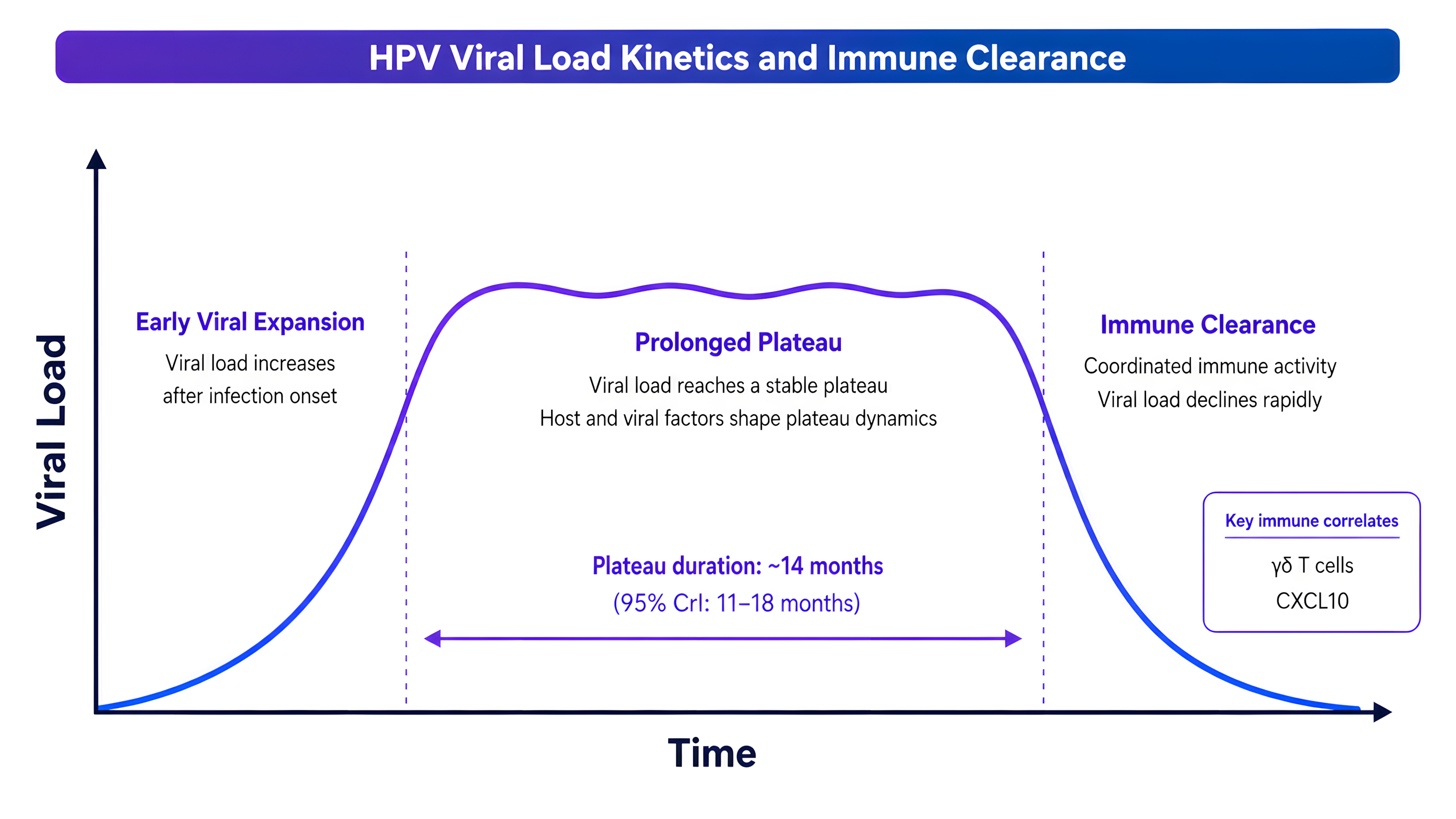
Figure 2. Schematic illustration of HPV viral-load kinetics and immune clearance based on findings reported by Tessandier et al.
This extended plateau phase served as an important foundation for subsequent kinetic modeling analyses.
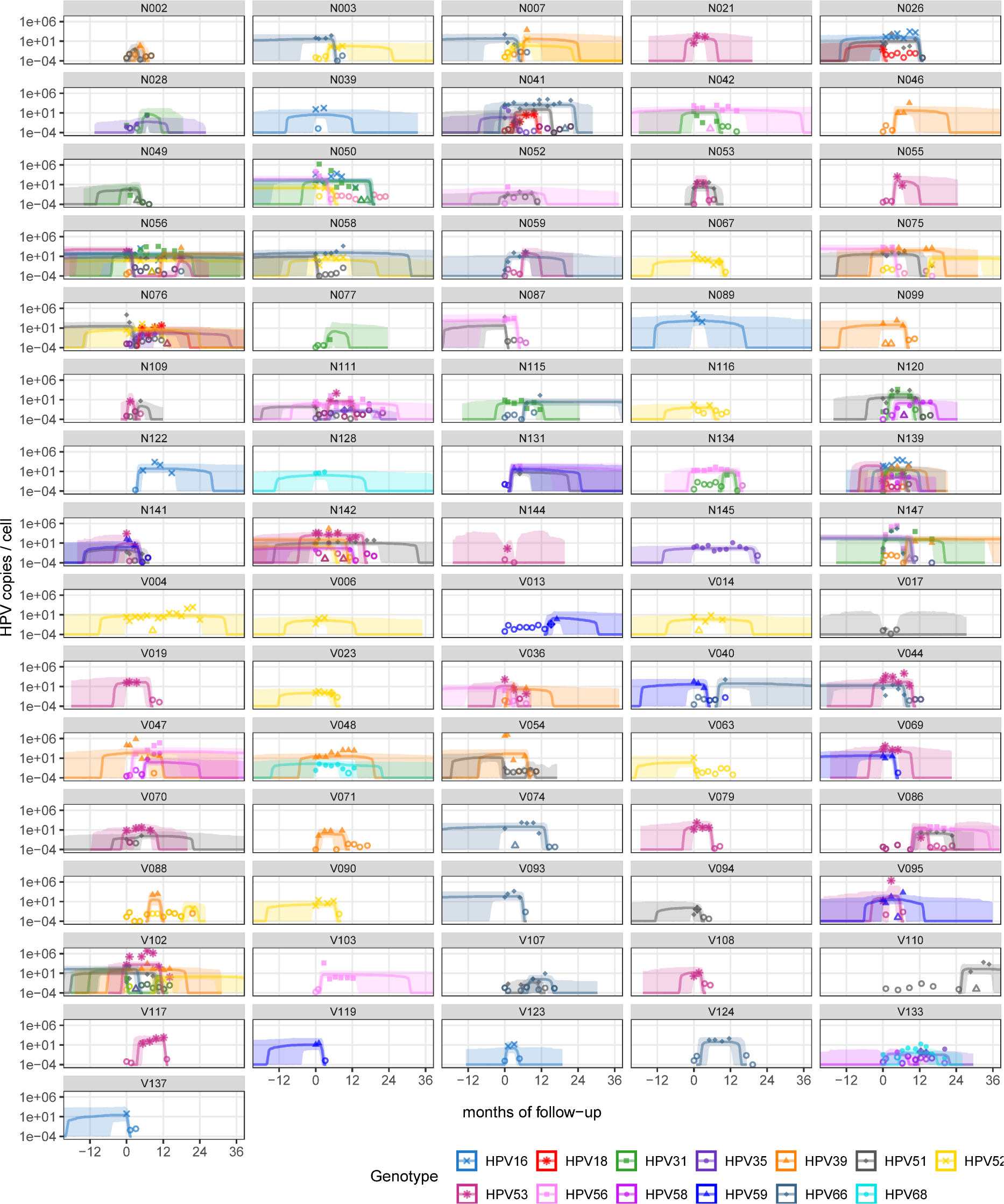
Figure 3. Longitudinal viral-load trajectories of 158 HPV infections in 76 women. Reproduced from Tessandier et al., PLOS Biology, 2025.
3. Plateau Duration Is Closely Associated with Viral Load
The model divided HPV infection into three phases:
- Growth phase
- Plateau phase
- Clearance phase
At the population level, the median infection duration was approximately 16 months (95% CrI: 13–20 months), with the plateau phase lasting approximately 14 months (95% CrI: 11–18 months).
The model further showed that variation in infection duration was primarily driven by host-related factors, which accounted for approximately 74% of the explained variance, while plateau viral load was influenced by both HPV genotype and host characteristics.
At the individual level, plateau duration was positively correlated with plateau viral load, specifically driven by host-related factors, whereas the two remained independent at the genotype level.
These findings highlight the dominant role of the prolonged plateau phase in HPV infection kinetics and help quantify the factors influencing infection duration and viral burden.
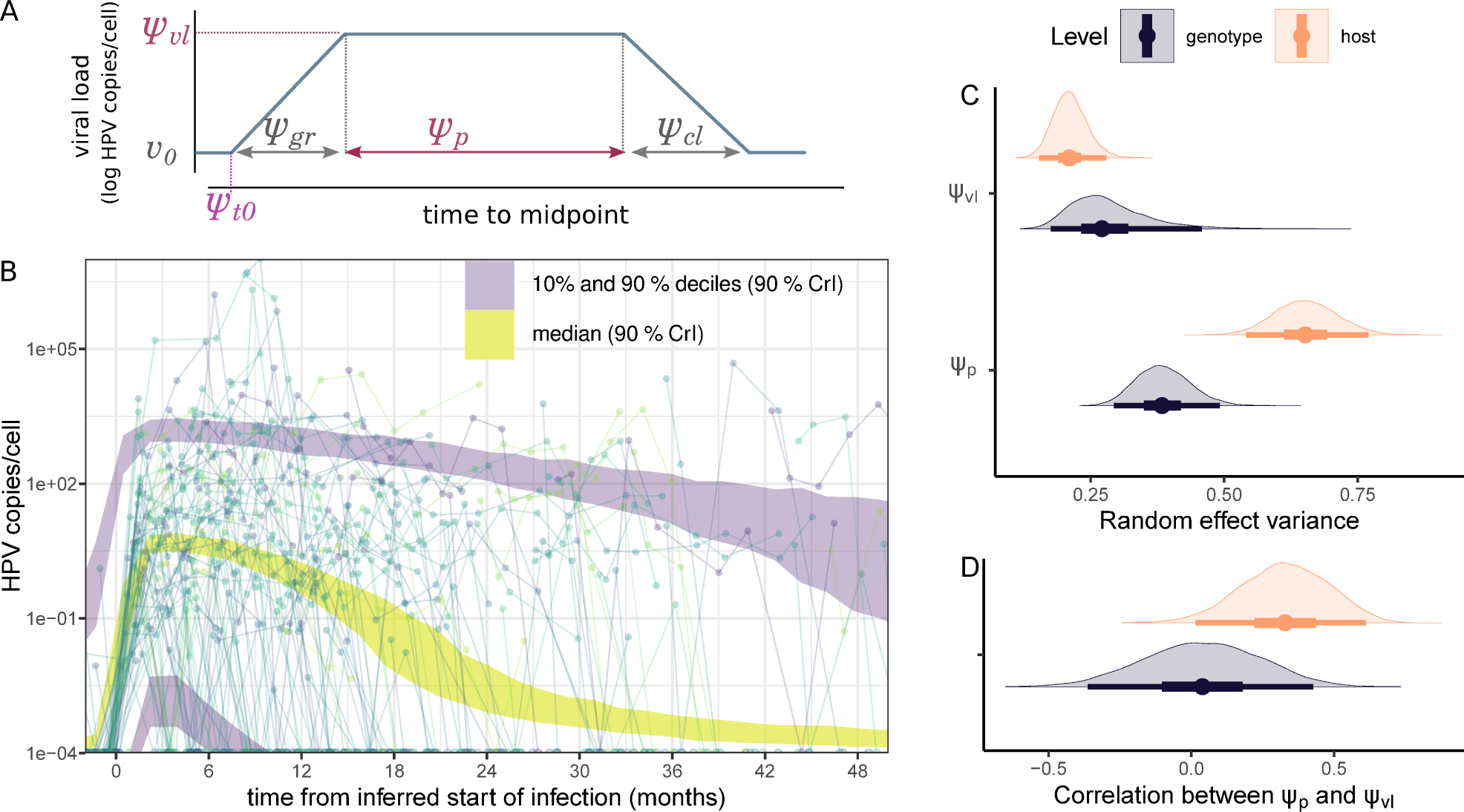
Figure 4. Population-level predictions of HPV viral-load dynamics. Reproduced from Tessandier et al., PLOS Biology, 2025.
Clinical Implications
HPV clearance appears to be closely linked to local immune responses. Characterizing viral-load dynamics provides valuable insights into the natural history of HPV infection and may contribute to future optimization of HPV screening strategies.
A deeper understanding of the immune mechanisms involved in viral clearance may also facilitate the discovery of novel biomarkers and potential targets for immunotherapeutic intervention.
Reference
Tessandier N, Elie B, Boué V, et al. Viral and immune dynamics of genital human papillomavirus infections in young women with high temporal resolution. PLOS Biology. 2025;23(1):e3002949.
