Four macro trends redefining how infectious diseases are diagnosed, treated, and monitored worldwide.
The dust has settled in Munich following one of the most pivotal annual gatherings for clinical microbiology and infectious diseases. While the halls of the convention center have emptied, the echoes of the technological breakthroughs showcased there are just beginning to reshape the healthcare landscape.
For years, the diagnostics industry operated on a predictable trajectory: one patient, one suspected pathogen, one test. But global health shifts—accelerated by climate change, skyrocketing antimicrobial resistance (AMR), and the urgent need to reduce hospital turnaround times—have reshaped that traditional paradigm.
Here are four macro trends coming out of the exhibition that are redefining how we diagnose, treat, and monitor infectious diseases worldwide.
The Rise of “Smart & Tailored” Syndromic Panels
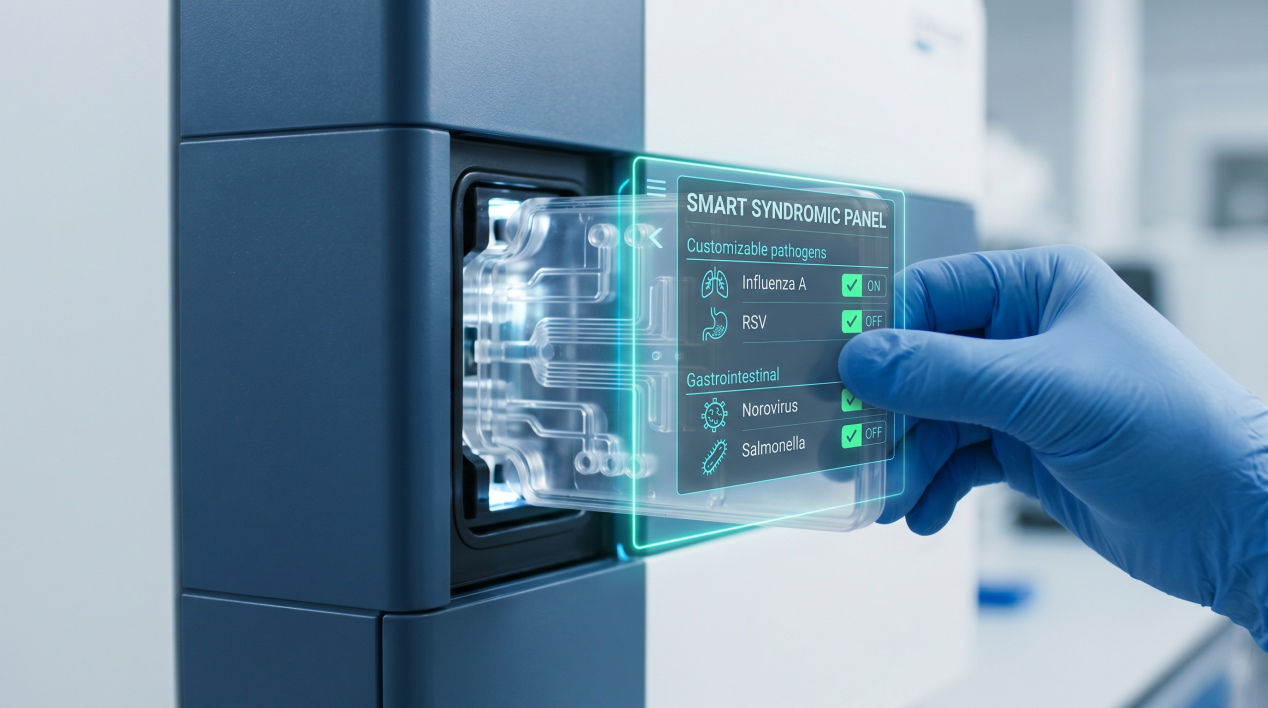
Syndromic multiplex testing—testing for a broad matrix of potential pathogens that cause the same clinical symptoms, such as fever, diarrhea, or respiratory distress, in a single run—is now a market standard. However, the conversation has fundamentally shifted from “How many targets can we place on one chip?” to “How can we manage these panels efficiently?”
Historically, massive panels faced financial and clinical pushback due to over-diagnosis and complex insurance reimbursement models. The industry’s response, showcased prominently this year, is the concept of Flexible Syndromic Testing (FST).
- How it works: Laboratories can purchase a single comprehensive cartridge containing dozens of targets, while using software to selectively run and pay for only a specific subset based on the doctor’s immediate clinical suspicion. If the primary targets come back negative, the system can automatically trigger a reflex test to unlock the remaining pathogens.
This software-driven customizability strikes a balance between clinical thoroughness and economic efficiency, directly addressing the long-standing pain point of over-billing.
2. Molecular POCT Enters the “15-Minute Era”
Molecular diagnostic capabilities are rapidly moving beyond heavily staffed central laboratories and toward the near-patient edge. Patient expectations have evolved; waiting days or even hours for an accurate PCR result is no longer acceptable in emergency departments or urgent care settings.
The latest generation of Point-of-Care Testing (POCT) systems has officially broken the speed barrier, delivering highly accurate, multiplexed nucleic acid results in as little as 15 to 30 minutes. These platforms are also becoming increasingly rugged and versatile. Manufacturers are successfully integrating advanced sample pretreatment modules—such as built-in ultrasonic lysis—allowing compact instruments to handle highly viscous or complex samples, including sputum and tissue, directly at the clinical desk.
3. Guiding the Script: Integrating Pathogen Detection with Real-Time Drug Resistance
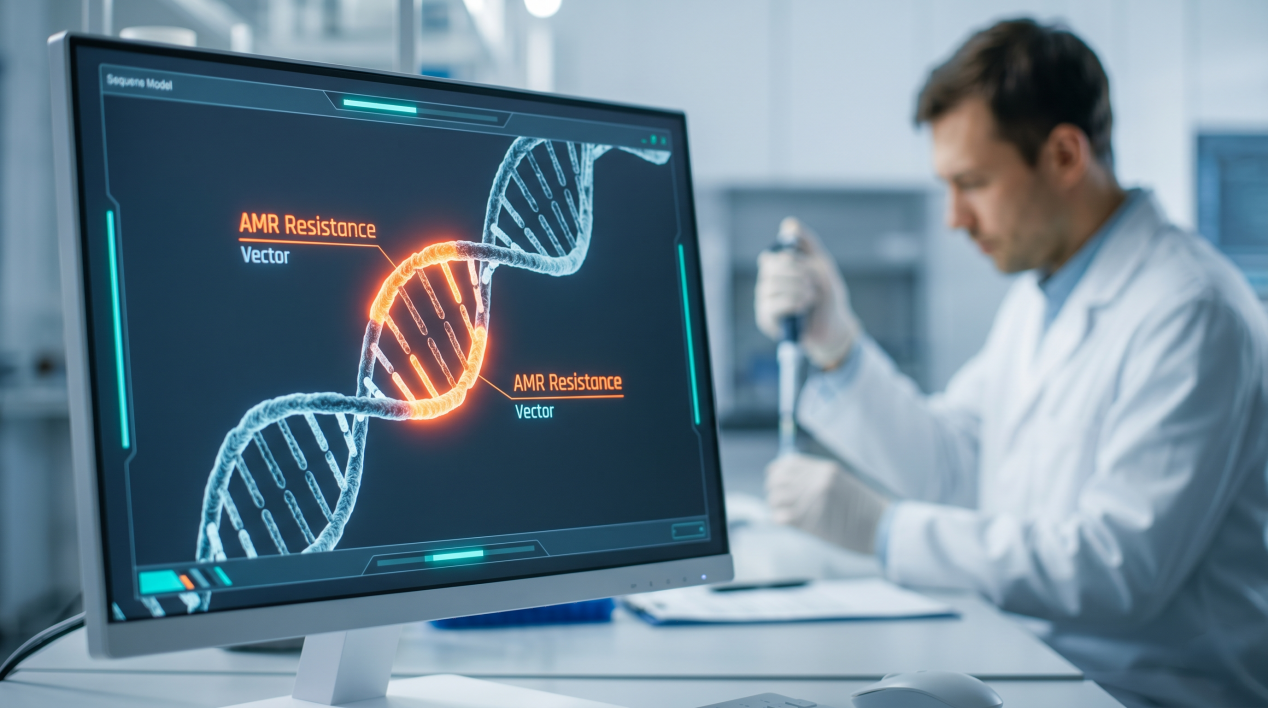
Antimicrobial resistance is the “silent pandemic” of our generation. In response, modern diagnostic tools are no longer stopping at the question, “What is making the patient sick?” They are also answering the vital second question: “What medicine will actually work?”
A major highlight from the post-conference analysis is the highly synchronized, single-reaction pairing of pathogen detection with resistance gene profiling.
- In Sexual Health: Leading solutions can now identify slow-growing pathogens such as Mycoplasma genitalium while simultaneously screening for macrolide resistance mutations in a single, rapid workflow. This helps prevent empirical treatment failures in fields where drug resistance has eclipsed 60%.
- In Critical Care: Instead of waiting 24 to 48 hours for traditional blood cultures, automated workstations are identifying critical carbapenemase-producing organism (CPO) gene families directly from raw samples, enabling immediate, life-saving infection control workflows.
Moving forward, the industry is paving the way for functional diagnostics that blend genetic markers with phenotypic predictive algorithms to guide real-time antibiotic stewardship.
4. The “One Health” Imperative: Tracking Pathogens Across Animals and the Environment
Perhaps the most profound strategic takeaway from this year’s convention is that human diagnostics can no longer exist in a vacuum. Driven by rising global temperatures and shifting ecological boundaries, tropical vector-borne pathogens, such as West Nile Virus and Oropouche Virus, are actively establishing local footprints across European and temperate regions.
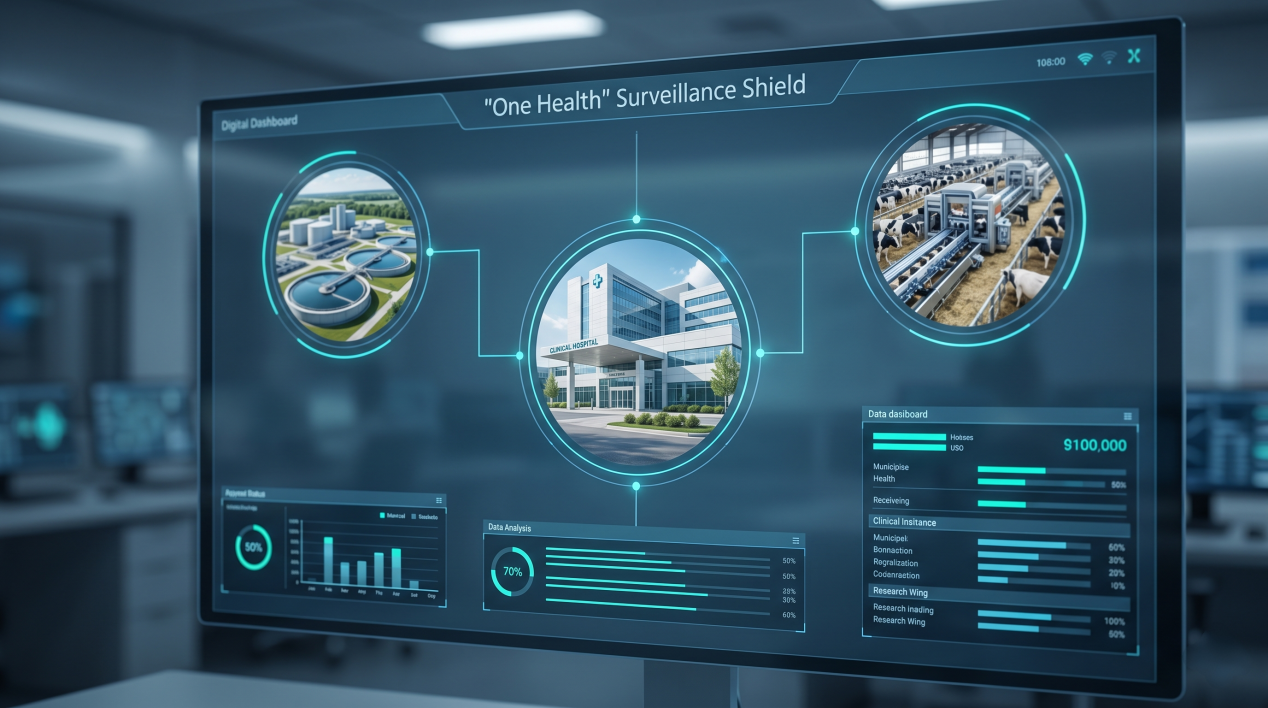
This reality has catalyzed the “One Health” paradigm, unifying human medicine, veterinary health, and environmental surveillance into a singular diagnostic shield:
- Wastewater-Based Epidemiology (WBE): Cities are deploying environmental macro-panels to detect community outbreaks of viruses and resistance genes in municipal sewage up to two weeks before they appear in hospital admissions.
- Aggressive Agro-Surveillance: Modern, intensive livestock farming is driving demand for multi-pathogen syndromic screening panels to help mitigate multi-billion-dollar outbreaks, such as African Swine Fever or highly mutable Avian Influenza strains, while simultaneously monitoring resistance vectors such as the mcr-1 gene.
The Road Ahead
The innovations spotlighted this year paint a clear picture of the future: infectious disease diagnostics are becoming highly digitalized, modularly flexible, and radically rapid. By bridging the gap between cutting-edge Artificial Intelligence, such as automated morphology and curve analysis, and robust chemistry, the global diagnostic industry is shifting from a reactive posture to a proactive, predictive defense system.
