What Is Nucleic Acid Extraction, and Why Does the Method You Choose Matter?
Nucleic acid extraction is the process of isolating DNA or RNA from a biological sample so it can be used in downstream testing. Many PCR (polymerase chain reaction) results, sequencing runs, and molecular diagnostics begin here. Consistent extraction provides a critical foundation for the workflows that follow.
Laboratories today choose between three broad approaches: fully manual extraction, semi-automated systems, and fully automated walk-away platforms. Each shifts the balance between hands-on labor, cost, and consistency differently.
The right choice depends on sample volume, staffing, and how much variability your downstream applications can tolerate. Below, we break down what each method costs you in time, risk, and reliability before looking at where a nucleic acid extraction system fits into that decision.
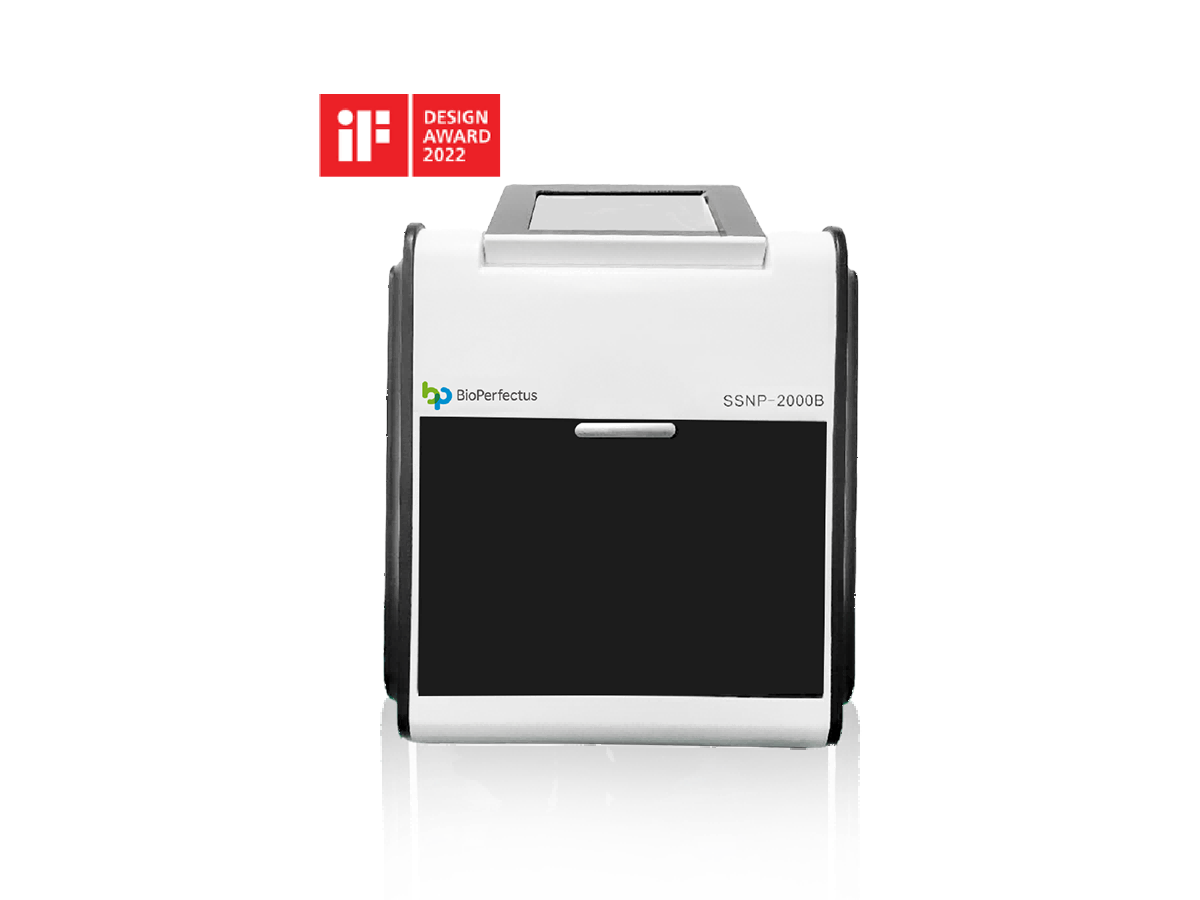
Nucleic Acid Extraction System SSNP-2000B
What Are the Pros and Cons of Manual Nucleic Acid Extraction?
Manual extraction remains the right call for many labs, but it comes with real trade-offs in speed and consistency that scale poorly with volume.
What Advantages Does Manual Extraction Offer Small or Low-Volume Labs?
Manual extraction lowers the barrier to entry because it requires no dedicated instrument. A lab can start testing with just a centrifuge, pipettes, and a kit. This matters because upfront capital is often the biggest obstacle for smaller facilities or labs in resource-limited settings.
Cost is the clearest advantage. Research comparing manual and automated RNA extraction for SARS-CoV-2 detection found no meaningful difference in results between methods, so manual extraction can be preferred where budgets are constrained. Manual protocols also stay flexible — technicians can adjust volumes or timing on the fly for non-standard samples.
What Are the Main Drawbacks of Manual Extraction Methods?
The core problem with manual extraction is that it depends entirely on the technician performing it. Pipetting inconsistencies, timing variation, and fatigue during long batch runs all introduce variability that automated systems are built to reduce.
Manual workflows also demand constant hands-on attention. The same study reported that automated extraction processed samples in less time and with less manpower, and separately noted that manual methods carry more hands-on time with a higher chance of cross-contamination and technical error. For labs running high sample volumes, that burden compounds daily.
| Manual Extraction |
Consideration |
| Equipment cost |
Low — no instrument required |
| Hands-on time |
High — technician-dependent at every step |
| Throughput |
Limited by staff availability |
| Consistency |
Variable between technicians and batches |
| Best fit |
Low sample volume, budget-constrained labs |
What Are the Pros and Cons of Automated Nucleic Acid Extraction?
Automation was developed specifically to solve the consistency and labor problems manual workflows create — but it introduces its own set of trade-offs.
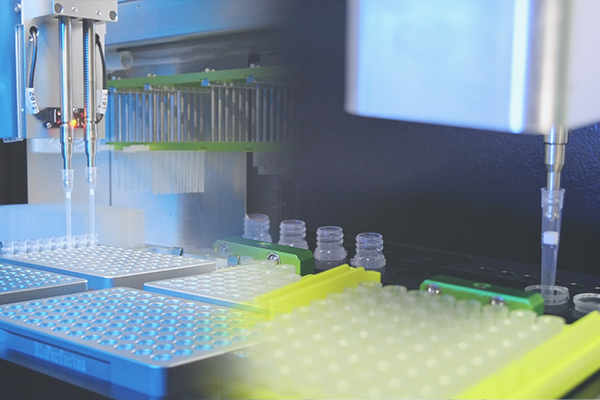
How Does an Automated Nucleic Acid Extraction Machine Improve Consistency?
An automated nucleic acid extraction machine improves consistency because it removes person-to-person pipetting variation from the process. Instruments execute the same lysis, binding, washing, and elution steps identically for every sample in a run.
This matters most for contamination control. A comparative study of automated extraction for human stool samples noted that laboratory automation streamlines workflow and reduces operator risk, and that automated processes have shown fewer contaminated samples than manually processed ones. Because reagent handling happens inside an enclosed system, there is also less direct contact between the operator and infectious material.
What Trade-Offs Come With Automation?
Not every automated system automates the same steps, and that distinction matters more than the word "automated" suggests. Some platforms are semi-automated: the instrument handles magnetic-bead purification, mixing, and elution, but a technician still loads samples and reagents manually before each run. Other platforms are fully automated, integrating sample loading, extraction, and even PCR (polymerase chain reaction) plate setup into a single walk-away process.
Semi-automated systems typically cost less upfront than fully integrated platforms and still cut hands-on time considerably compared with manual extraction, though they require an operator at the start of each run. Fully automated platforms reduce that need further but come at a higher initial investment. Labs should confirm exactly which steps an instrument automates before assuming it reduces manual work.
How Does BioPerfectus Support Semi-Automated Nucleic Acid Extraction?
BioPerfectus is a molecular diagnostics company that builds nucleic acid extraction systems, PCR kits, and instrumentation for laboratories worldwide. Its product line spans sample preparation through detection, aimed at labs working on infectious disease and women's and children's health testing.
One instrument in that lineup is the Nucleic Acid Extraction System SSNP-2000B, a semi-automated nucleic acid extraction machine. It automates magnetic-bead-based purification for up to 32 samples per run in 13.5–45 minutes, while sample and reagent loading are performed manually beforehand.
The system uses a 10.1-inch touchscreen for program management and reports a magnetic bead recycle efficiency of 98% or higher. Contamination control comes from UV light and HEPA filtration in an enclosed processing cabin with independent airflow. Paired with BioPerfectus's own extraction kits, it supports purification from serum, plasma, urine, virus culture medium, nasal or pharyngeal swabs, and vaginal swabs, with extracted material suitable for downstream qPCR, RT-PCR, digital PCR, and next-generation sequencing (NGS).
- Sample throughput: 1–32 samples per run
- Processing volume: 20 μL–1,000 μL
- Certifications: NMPA, CE, FDA Listed, SFDA
For labs that want to reduce the pipetting burden of manual extraction without the full investment of an end-to-end walk-away platform, a semi-automated instrument like this one occupies a practical middle ground.
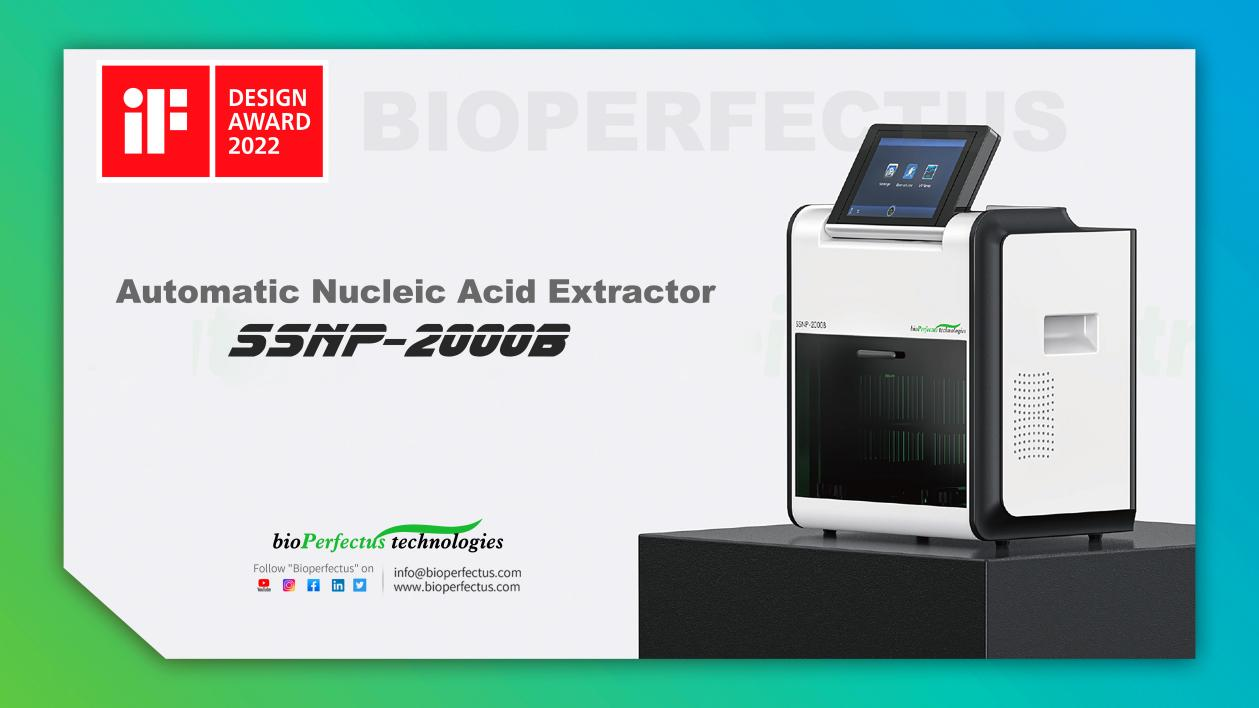
Nucleic Acid Extraction System SSNP-2000B
Manual, Semi-Automated, or Fully Automated — Which Nucleic Acid Extraction Method Fits Your Lab?
There is no single correct answer here; the right method depends on your sample volume, budget, and how much operator time you can dedicate to each run.
| Factor |
Manual |
Semi-Automated |
Fully Automated |
| Upfront cost |
Lowest |
Moderate |
Highest |
| Hands-on time per run |
High |
Moderate |
Low |
| Operator involvement |
Full process |
Loading only |
Minimal |
| Consistency across runs |
Technician-dependent |
High |
Highest |
| Ideal sample volume |
Low |
Low to moderate |
Moderate to high |
If your lab processes a handful of samples occasionally, manual extraction avoids unnecessary equipment costs. If your volume is climbing and pipetting consistency has become a bottleneck, a semi-automated nucleic acid extraction system can cut hands-on time considerably while keeping upfront costs contained. If your lab runs high daily volumes and wants to minimize operator involvement from tube to result, a fully automated walk-away platform becomes worth the added investment.
Matching Extraction Method to Laboratory Goals
Manual, semi-automated, and fully automated nucleic acid extraction each solve a different problem. Manual methods keep costs low for occasional, low-volume testing. Semi-automated systems reduce technician workload and improve run-to-run consistency without requiring a full walk-away setup. Fully automated platforms remove the most operator involvement but demand the largest upfront commitment.
Before choosing, map your actual sample volume and staffing against what each tier realistically requires — not just what the word "automated" implies. Labs evaluating a semi-automated nucleic acid extraction system can review the Nucleic Acid Extraction System SSNP-2000B product specifications directly to see whether its throughput and sample compatibility line up with their workflow.
