World Cervical Cancer Elimination Day Together We Can Eliminate Cervical Cancer
Cervical cancer remains a major global public health challenge, despite being largely preventable through HPV vaccination and regular screening. According to the World Health Organization (WHO), approximately 604,000 new cases and 280,000 deaths were recorded worldwide in 2024, making cervical cancer the fifth most commonly diagnosed cancer among women globally. [1]
To accelerate elimination, WHO's global strategy sets the 90–70–90 targets for 2030: 90% of girls fully vaccinated against HPV by age 15; 70% of women screened with a high-performance test by age 35 and again by age 45; and 90% of women with cervical precancer treated and 90% of women with invasive cervical cancer appropriately managed. [1]
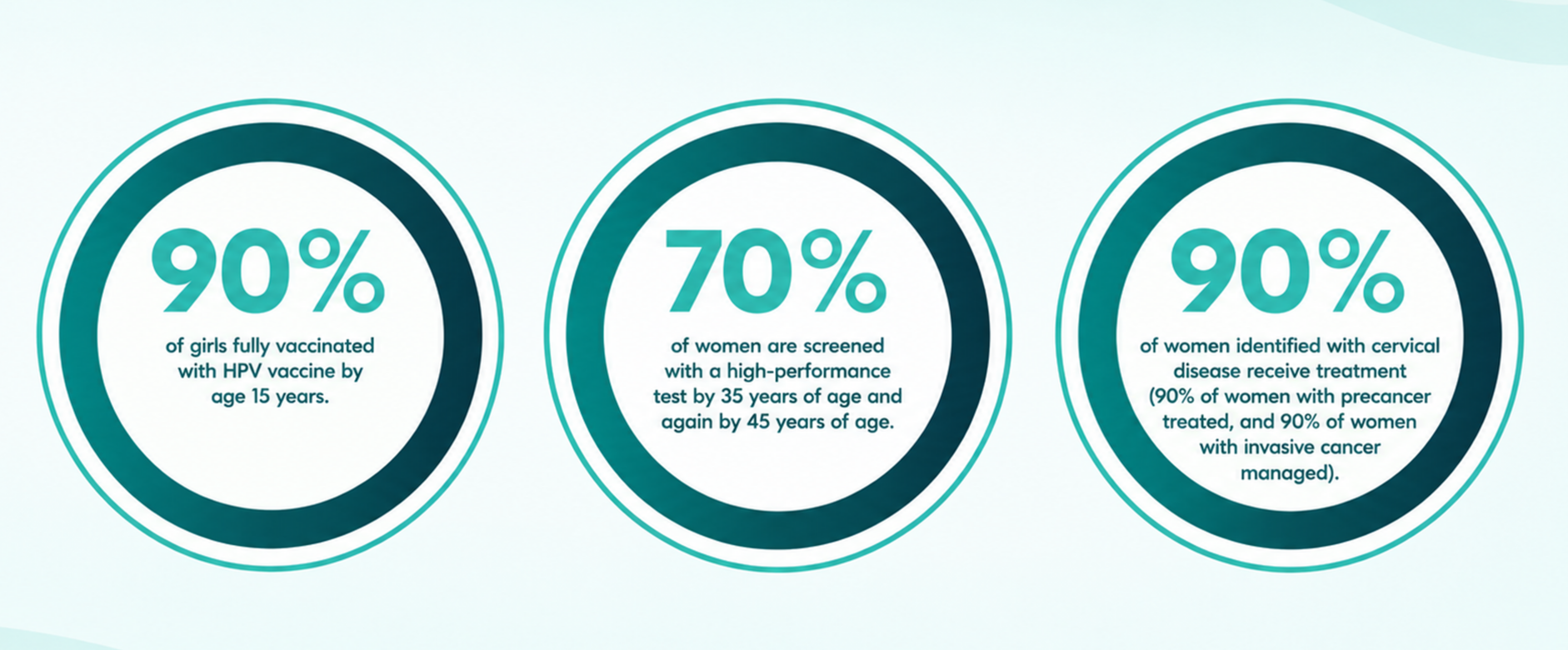
Figure 1. WHO's 90–70–90 targets for global cervical cancer elimination by 2030.
As countries work toward these goals, expanding screening access remains essential. At the same time, advances in HPV genotyping and quantitative analysis are creating new opportunities to improve risk assessment and subsequent clinical management.
Expanding Screening Access: From China to Global Communities
Expanding screening coverage requires not only reliable diagnostic technologies but also accessible services, laboratory capacity and sustainable screening programmes.
In China, BioPerfectus has been an important supplier of HPV testing reagents for regional breast and cervical cancer screening programmes, commonly known as the "Two-Cancer Screening" programmes, since 2016. These programmes have involved multiple regions, including Taizhou, Zhengzhou, Xi'an, Shunde, Ningxia, Ji'an and Jinan.
BioPerfectus's HPV testing reagents have supported regional Two-Cancer Screening programmes covering more than one million screening person-times.
A study published in Nature Communications investigated HPV infection and cervical abnormalities among 1,524 women participating in the 2022–2024 Octobre Rose cervical cancer screening campaigns in Libreville, Gabon. [3]
Cervical samples were collected by gynaecologists at participating clinics and preserved in liquid-based cytology medium. The samples were transported to the Virology Department of Gabon's National Laboratory of Public Health for HPV DNA detection and genotyping. [3]
HPV-positive samples were tested using the BioPerfectus Human Papillomavirus Genotyping Real Time PCR Kit. The kit is capable of individually identifying all 21 HPV genotypes. In this study, it was used for further genotyping of samples that had tested positive for the pooled group of HPV types other than HPV16 and HPV18 in the initial screening, enabling the researchers to determine the specific genotypes present. [3]
Among the 1,524 women included in the study, overall HPV prevalence was 21.0%, with carcinogenic HPV types detected in 18.5% of participants. HPV35 was the most frequently detected carcinogenic genotype, identified in 55 women (3.61%). [3]
These findings provide an updated baseline for genotype-specific surveillance in Gabon and may help inform context-specific screening and prevention strategies. [3]
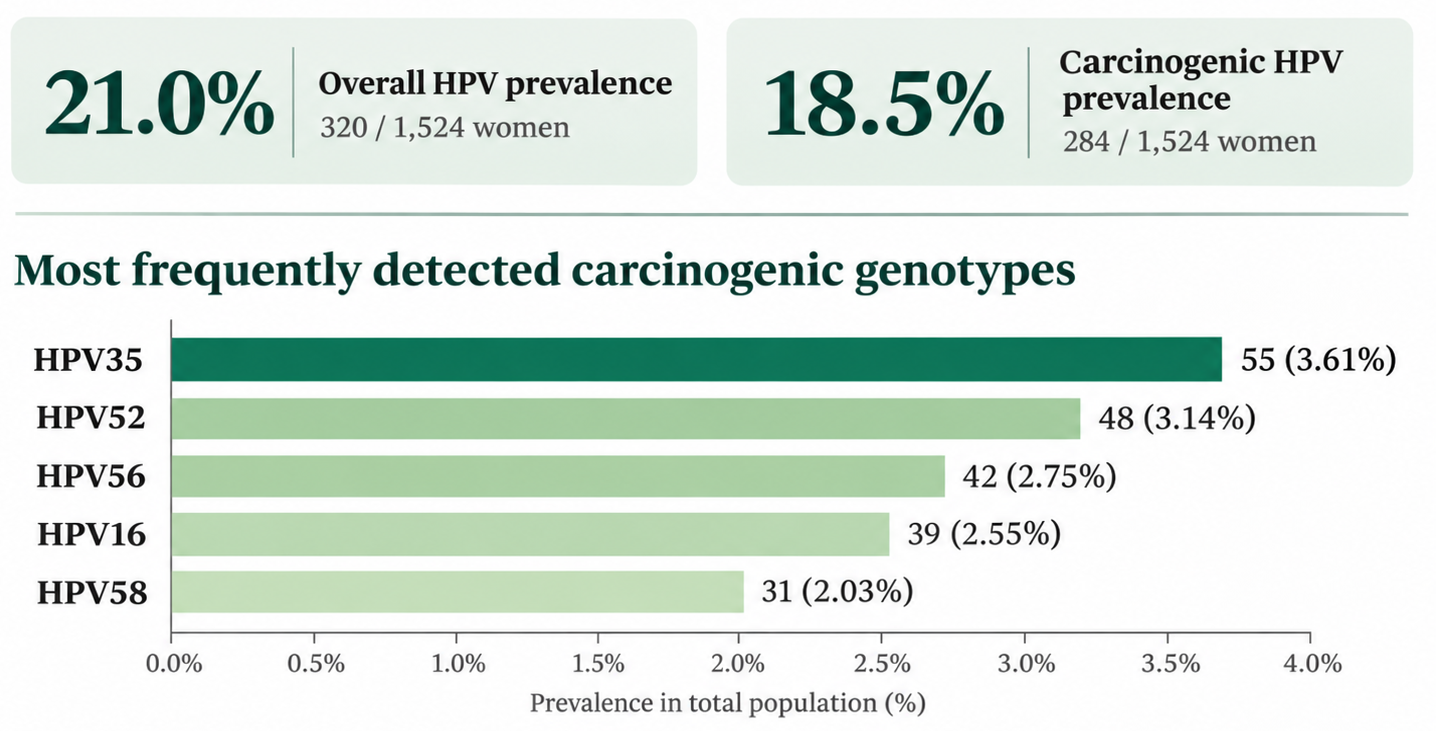
Figure 2. Overall HPV prevalence and the five most frequently detected carcinogenic HPV genotypes among women participating in the 2022–2024 Octobre Rose screening campaigns in Libreville, Gabon (N = 1,524). Genotype-specific percentages are reported as in the original study and are based on the total study population. Multiple genotype infections may overlap. [3]
From HPV Detection to Genotyping: Refining Screening Strategies
Persistent infection with carcinogenic HPV types is the primary cause of cervical cancer. However, the risk associated with individual HPV genotypes varies, making genotype information increasingly relevant to screening and risk stratification.
In May 2026, WHO published its guideline on the use of HPV DNA genotyping for cervical cancer screening. The guideline describes four levels of HPV DNA genotyping: no genotyping, limited genotyping, extended genotyping and full genotyping. However, its screening recommendations address no, limited and extended genotyping strategies, with the selection of an appropriate approach depending on programme capacity, particularly the availability of follow-up and treatment services. [2]
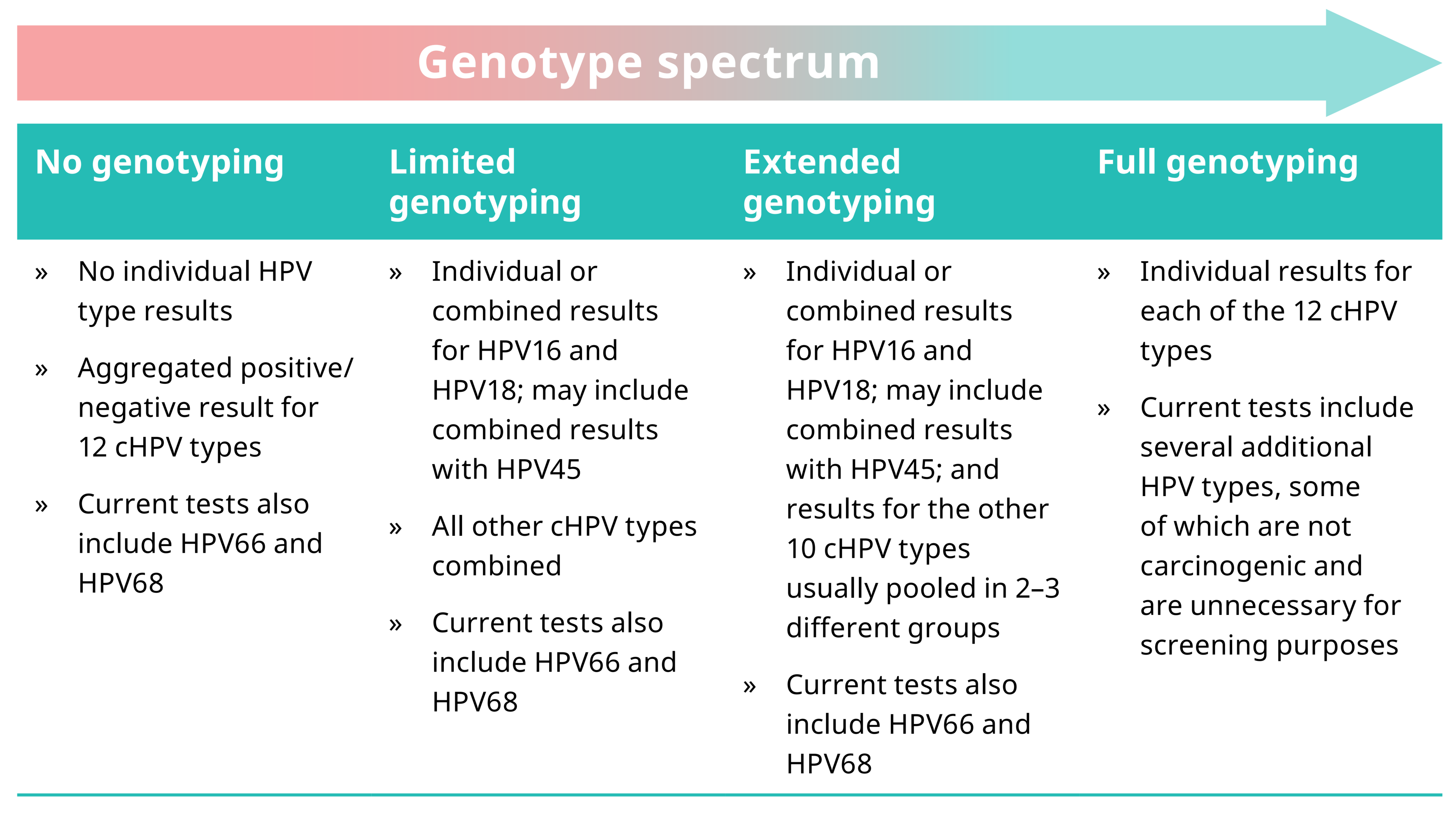
Figure 3. Overview of the HPV DNA genotyping spectrum described in the 2026 WHO guideline. [2]
Under WHO's extended-genotyping framework, HPV16 is assigned to Group 1a; HPV18 and HPV45 to Group 1b; HPV31, HPV33, HPV35, HPV52 and HPV58 to Group 1c; and HPV39, HPV51, HPV56 and HPV59 to Group 1d. [2]
The Gabon study found HPV35 to be the most frequently detected carcinogenic genotype in its study population. Together with WHO's genotype-based risk classification, this finding highlights the importance of understanding regional differences in HPV genotype distribution. Such epidemiological data can provide valuable insights for developing context-specific screening and risk-stratification strategies. [2], [3]
Together, developments in HPV screening and genotyping reflect a broader shift toward more informative molecular testing and risk-based screening pathways.
Beyond HPV Positivity: Exploring Standardized Viral Load Quantification
An HPV-positive result does not necessarily indicate cervical precancer or cancer. Identifying women who may require closer monitoring or further clinical assessment remains an important challenge in screening programmes.
In addition to HPV genotyping, viral load quantification is receiving growing attention as a potential tool for refining risk stratification.
BioPerfectus's BMRT HPV testing workflow applies cell-normalized quantification by using the human single-copy TOP3 gene as an internal reference to estimate sample cellularity. HPV viral load can then be expressed as copies per 10,000 human cells, helping account for differences in cellular input between samples.
In March 2026, the Chinese Expert Consensus on Human Papillomavirus Viral Load for Cervical Cancer Screening and Triage was published. The consensus recommends standardized HPV viral load quantification using real-time quantitative PCR with cell-number correction and concurrent detection of HPV type-specific targets and a human single-copy reference gene. It also discusses the potential application of standardized viral load measurements in cervical cancer screening and risk stratification. [4]
International academic discussion has also advanced. In May 2026, a review published in Expert Review of Molecular Diagnostics examined HPV viral load as a potential biomarker of cervical cancer risk and clinical outcomes. The review discussed standardized molecular quantification approaches and presented the BioPerfectus BMRT workflow as an example of cell-normalized HPV viral load measurement. [5]
Further clinical evidence was presented at IPVS 2026, where Dr. Xin Jiang of Peking University Shenzhen Hospital shared findings from a multicentre study involving 205,863 women who underwent screening. Of these, 19,115 tested positive for HPV, and 18,951 with complete pathological data were included in the analysis.
Using the BioPerfectus BMRT HPV Testing System, the study evaluated a triage strategy combining HPV genotyping with viral load assessment. The strategy achieved sensitivities of 90.7% for CIN2+ and 97.0% for CIN3+. By comparison, the HPV testing combined with cytology triage strategy achieved sensitivities of 94.1% and 97.9%, respectively.
These findings add multicentre clinical data to ongoing research into genotype-based HPV viral load triage.
Together, these developments highlight growing academic and clinical interest in combining genotype-specific information with standardized viral load measurements.
Supporting the Next Steps in Cervical Cancer Prevention
Cervical cancer elimination requires more than a single diagnostic test. It depends on coordinated progress in vaccination, screening access, reliable molecular testing, risk assessment and timely clinical management.
Drawing on its experience in large-scale screening programmes in China and the application of its HPV testing technologies in international research, BioPerfectus continues to develop HPV diagnostic solutions for different screening and laboratory needs.
With ongoing advances in HPV genotyping and standardized viral load quantification, molecular diagnostics can contribute to more informative screening results and support the development of increasingly refined risk assessment strategies.
Ultimately, expanding access to effective screening and strengthening follow-up pathways are essential to ensuring that more women benefit from timely assessment and appropriate care.
Together, through continued innovation and collaboration, we can move closer to a future free from cervical cancer.
References
[1] World Health Organization (WHO). Cervical Cancer Fact Sheet. 2026. https://www.who.int/news-room/fact-sheets/detail/cervical-cancer
[2] World Health Organization (WHO). Guideline for Screening and Treatment of Cervical Pre-cancer Lesions for Cervical Cancer Prevention: Use of HPV DNA Genotyping. 2026. https://www.who.int/publications/i/item/9789240121744
[3] Mabika-Obanda, A. K. F., et al. Vaccine-preventable HPV burden and cervical abnormalities in women during 2022–2024 Octobre Rose campaigns in Libreville. Nature Communications. 2026;17:1032. Published online December 24, 2025. https://doi.org/10.1038/s41467-025-67777-3
[4] Chinese Expert Consensus on Human Papillomavirus Viral Load for Cervical Cancer Screening and Triage. Chinese Journal of Clinical Obstetrics and Gynecology. 2026;27(2):179–185. https://doi.org/10.13390/j.issn.1672-1861.2026.02.022
[5] Mboumba Bouassa, R. S., et al. Human papillomavirus viral load as promising surrogate biomarker of cervical cancer risk and clinical outcome. Expert Review of Molecular Diagnostics. 2026;26(6):501–522. https://doi.org/10.1080/14737159.2026.2675388
